The Basics: What You Need to Know
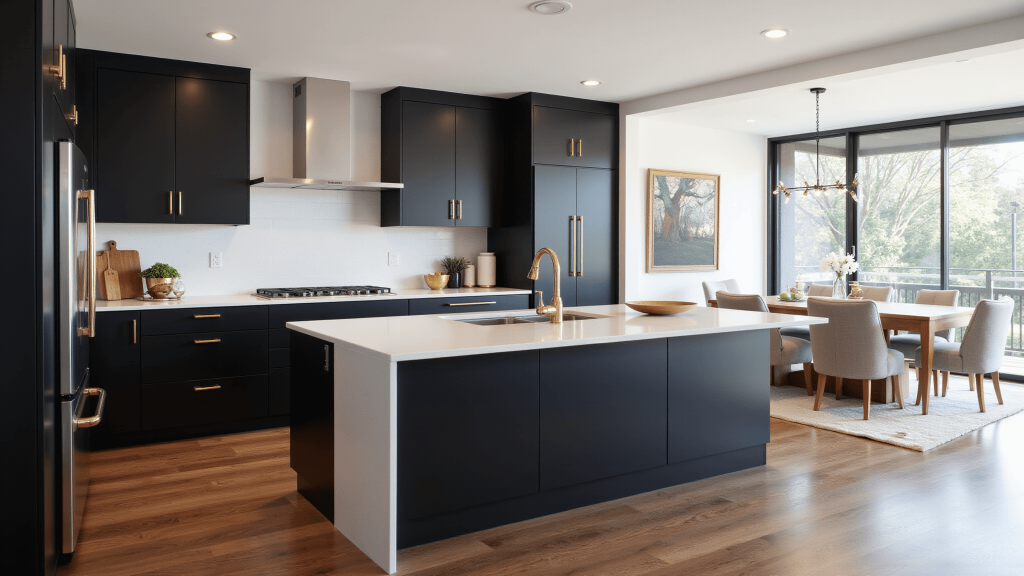
I chose a client’s cabinets in a muted navy blue and the kitchen finally had a backbone. Blue kitchen cabinets work because the color grounds the room while white keeps it open, so the space reads as steady instead of loud.
Here’s what you need to know before taking the plunge:
Cost Breakdown (Real Talk):
- Basic RTA blue cabinets: $1,500-2,000
- Mid-range custom: $2,500-3,000
- High-end designer: $3,000+
Pro tip: Don’t cheap out on the paint if you’re doing a DIY refresh. Trust me, I learned this the hard way with my first kitchen makeover.

Choosing Your Blue: It’s Not Just “Blue”
Let me break this down into bite-sized pieces:
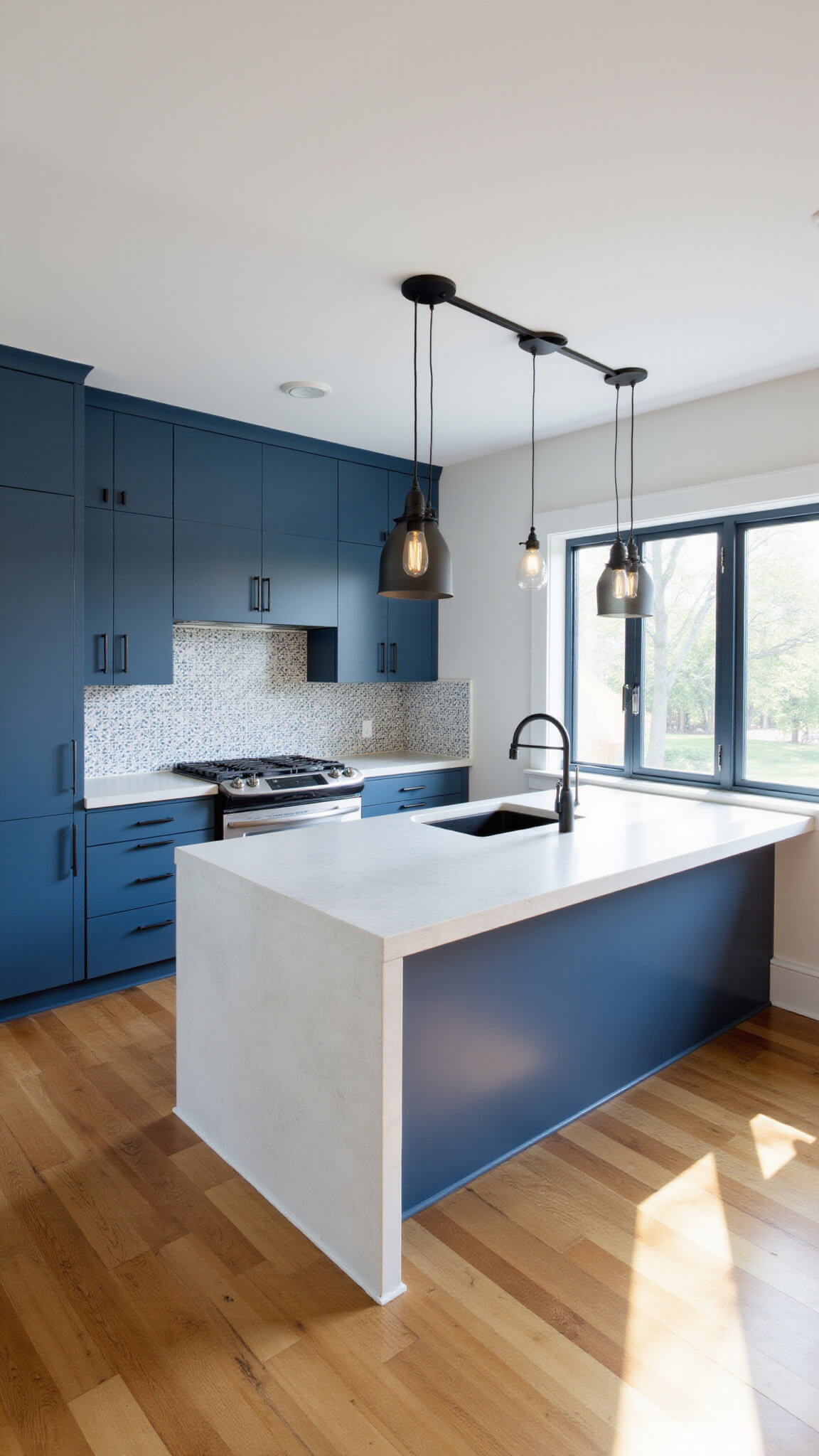
Navy Blue:
- Perfect for traditional homes
- Pairs beautifully with brass hardware
- Creates instant sophistication
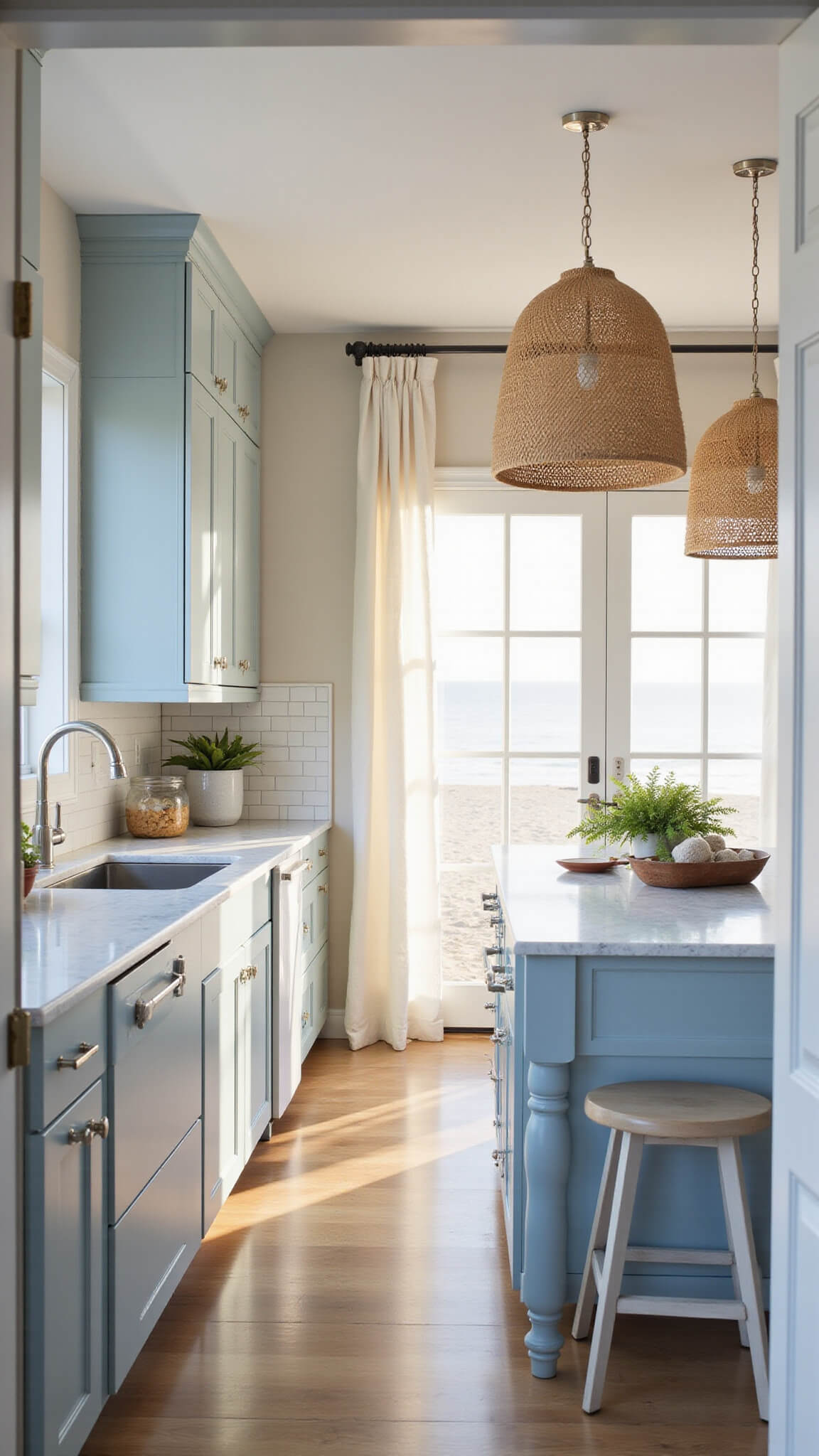
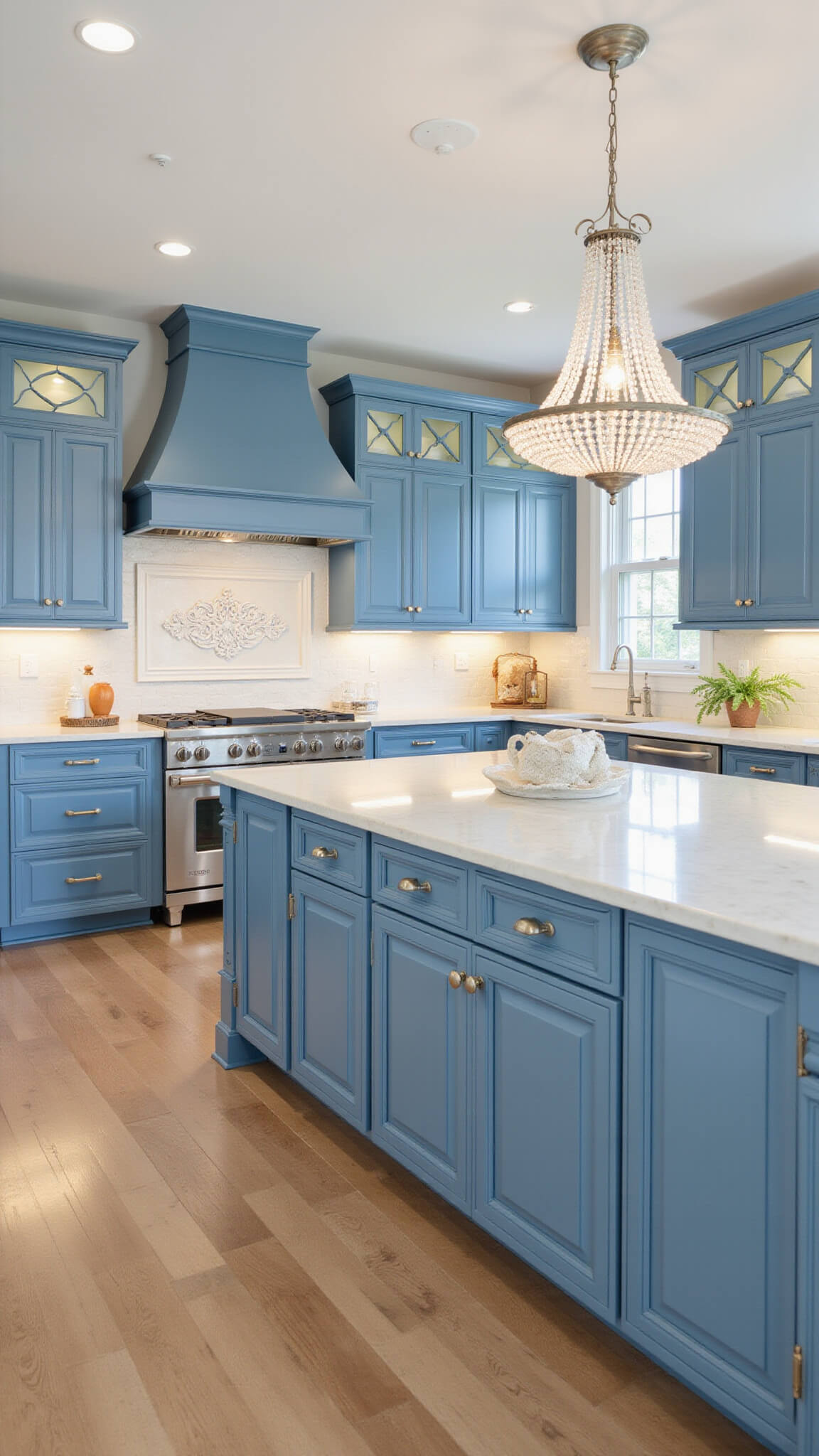
Powder Blue:
- Ideal for coastal vibes
- Makes small kitchens feel bigger
- Works great with natural light
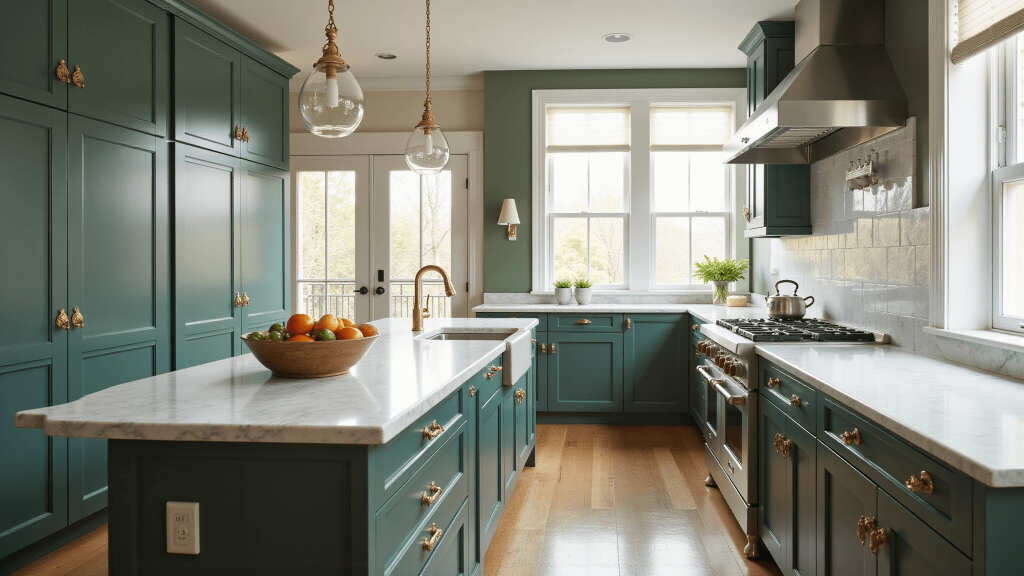
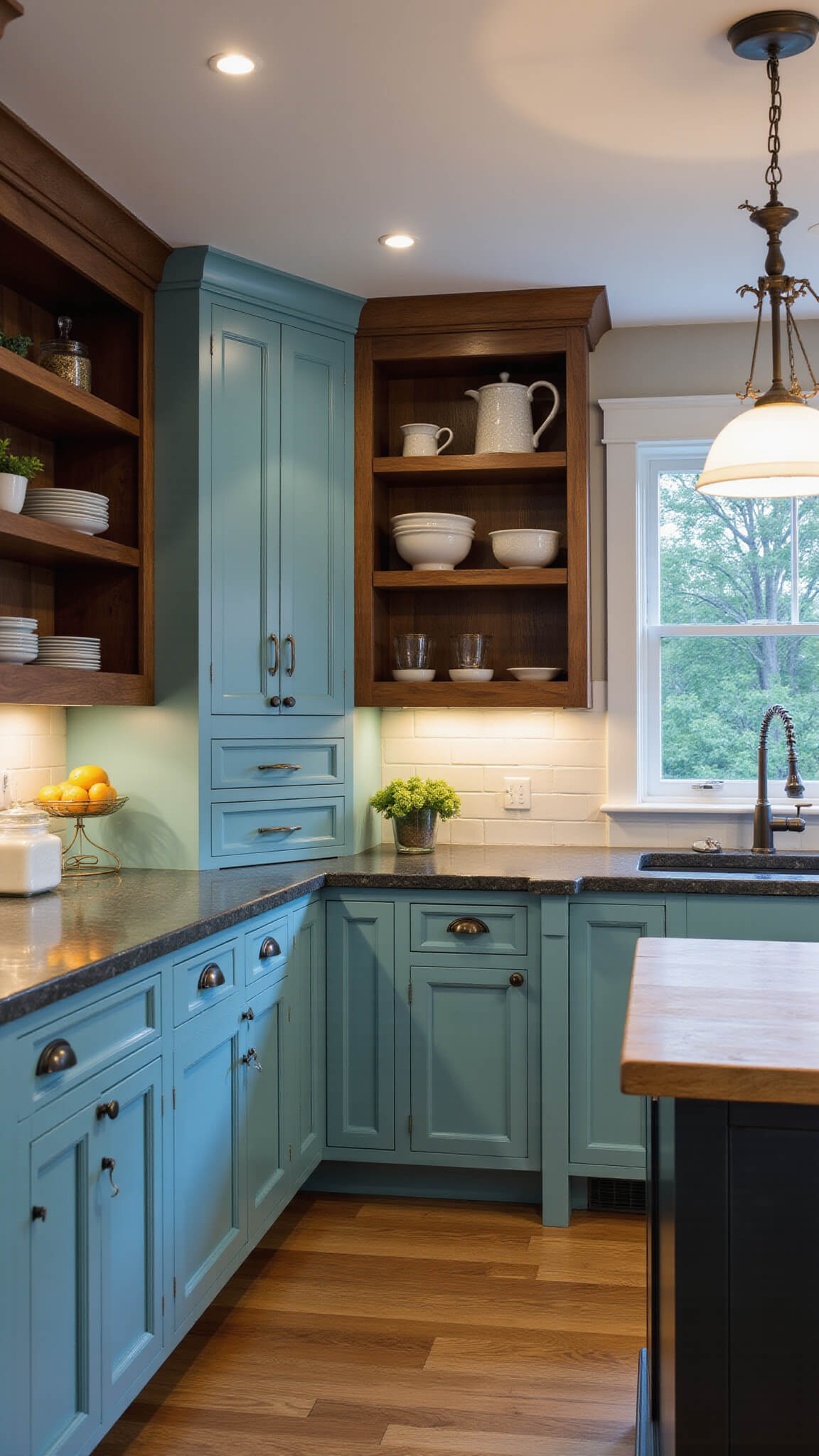
Teal Blue:
- Best for bold personalities
- Amazing with wood accents
- Creates a stunning focal point
Design Styles That Rock Blue Cabinets
I’ve installed blue cabinets in countless homes, and here’s what works best:
1. Modern Farmhouse
- Shaker-style cabinets in navy
- White countertops
- Black hardware
2. Coastal Chic
- Light blue cabinets
- White marble counters
- Chrome or nickel fixtures
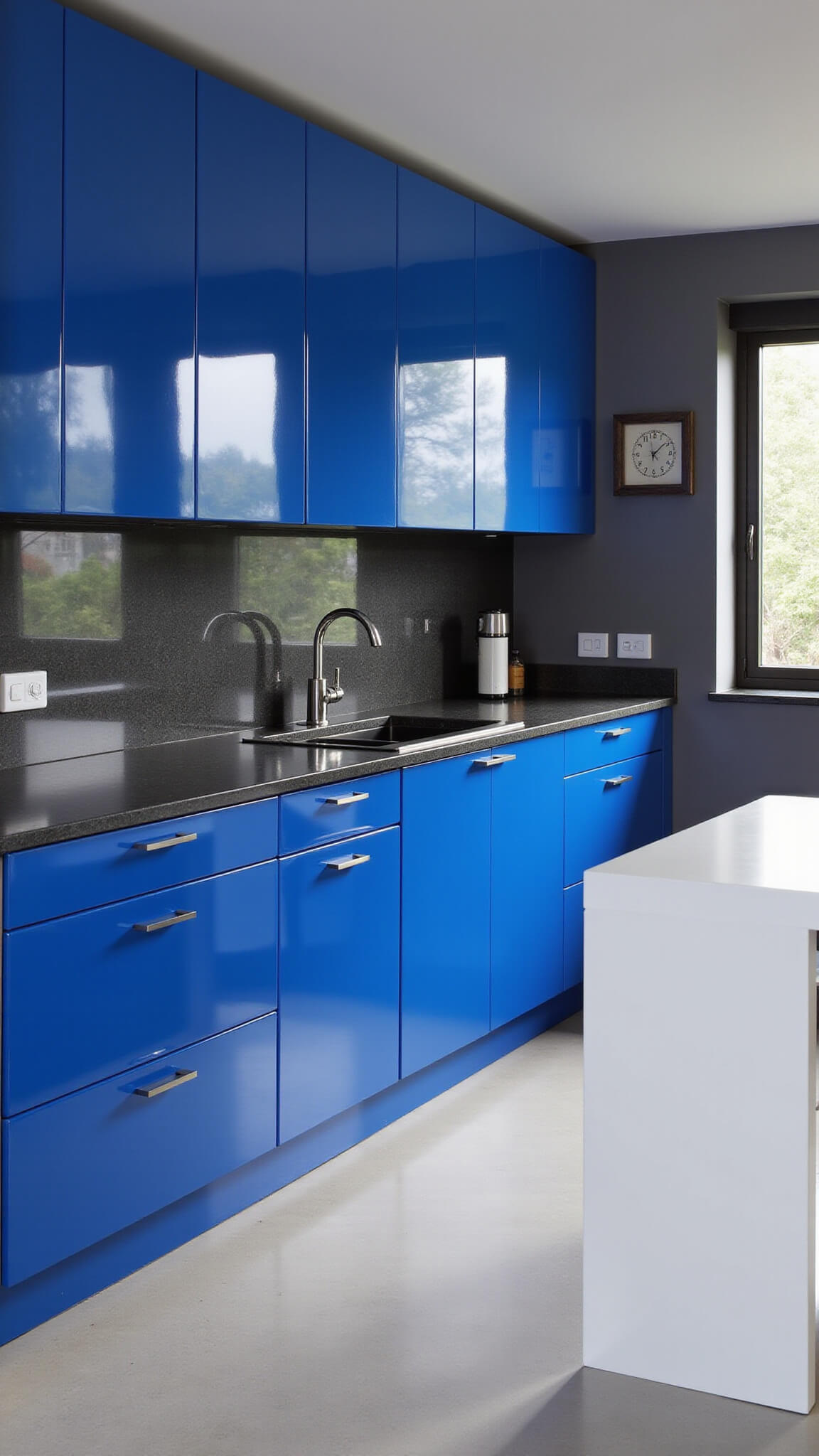
3. Contemporary
- High-gloss royal blue
- Quartz countertops
- Minimalist hardware
Save this article
Enter your email and we'll send it straight to your inbox.
Common Mistakes (That I’ve Seen Too Often)
- Going too dark in small spaces
- Mixing too many blue tones
- Choosing the wrong hardware finish
- Skimping on lighting
The Perfect Pairings
After years of experimenting, here are my foolproof combinations:
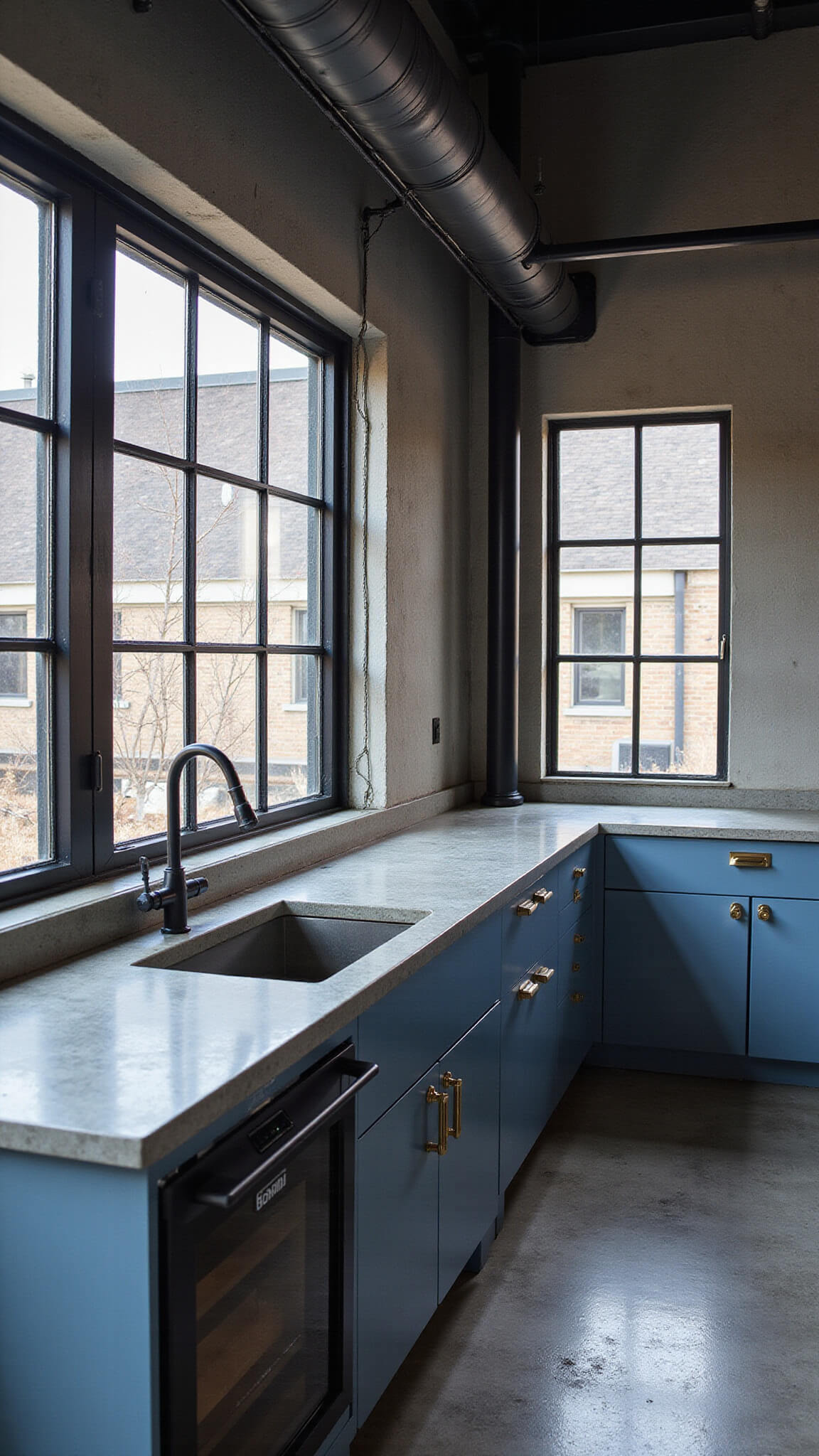
Countertops:
- White marble or quartz
- Butcher block
- Light gray concrete
Wall Colors:
- Crisp white
- Soft gray
- Warm beige
Making It Work in Your Space
Here’s my tried-and-true process for incorporating blue cabinets:
- Start with samples
- Test in different lights
- Consider your existing fixtures
- Plan your hardware early
Maintenance Tips (The Stuff Nobody Tells You)
- Clean with gentle, non-abrasive products
- Touch up chips immediately
- Use cabinet hardware to prevent fingerprints
- Consider semi-gloss for easier cleaning
Look, going blue might feel bold, but it’s totally doable. I’ve seen this trend evolve from “too risky” to “absolutely stunning” in countless homes. Just remember: proper planning prevents poor performance. Take your time, choose your shade carefully, and don’t be afraid to ask for help.
Keep the counters pale and the hardware simple. Blue kitchen cabinets feel right when the floor is warm and the one blue stays below the eye.
Save this article
We'll email you the link so you can come back to it.