The Ultimate Guide to Bonus Room Styling: update Your Extra Space into a Pinterest-Worthy Haven
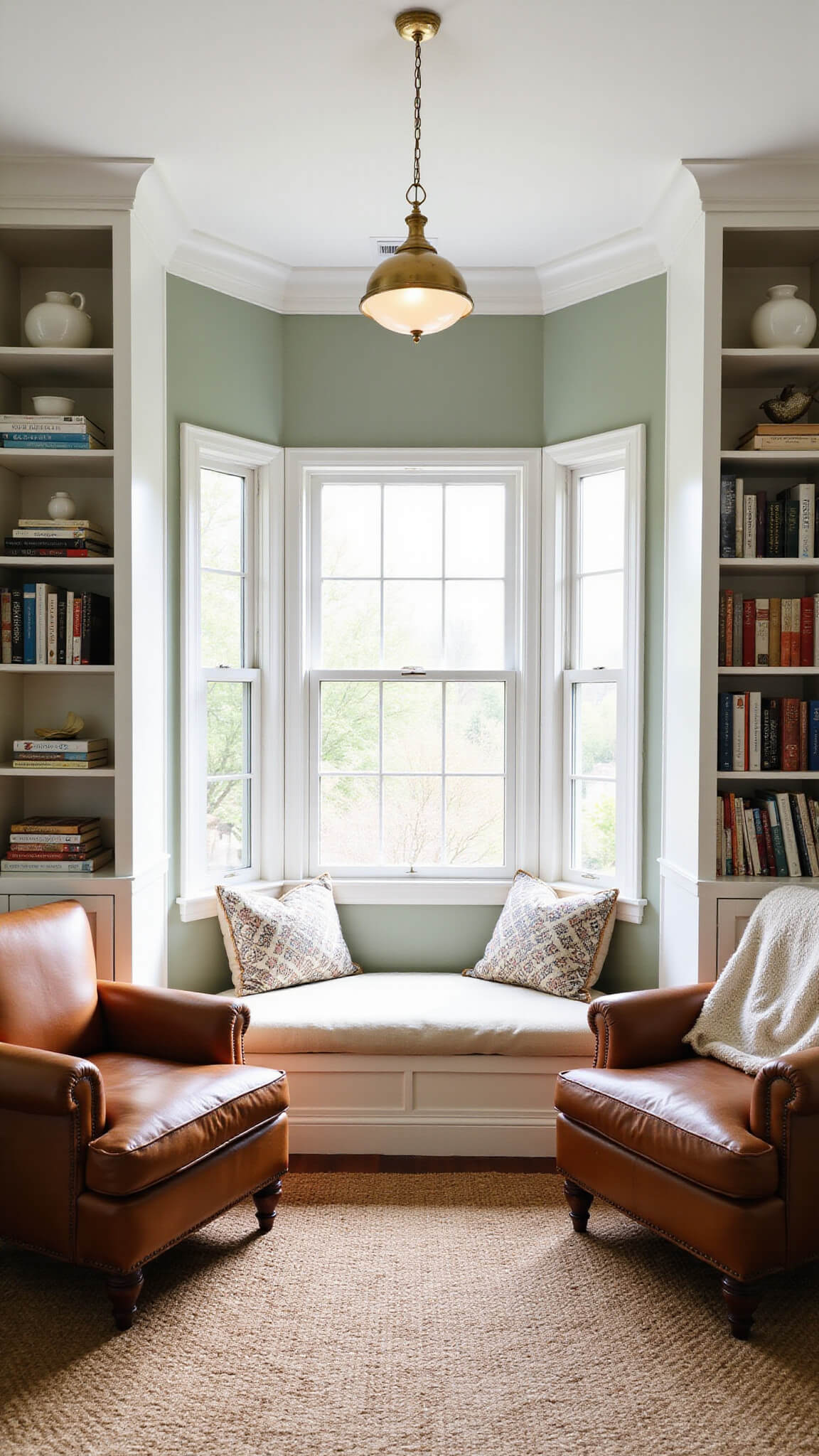
I turned a client’s awkward spare room into a reading nook with a daybed and one shelf, and the space finally got used. Bonus room ideas work when the one function leads and the storage hides, so the room reads as purposeful instead of leftover.
Why Your Bonus Room Matters
Let’s be real – that extra room upstairs has probably become your family’s dumping ground. But here’s the thing: a well-styled bonus room can be the most versatile space in your home. I’ve seen these rooms become everything from serene home offices to epic gaming zones.
Getting Started: The Basics
Before we dive in, here’s what you’ll need:
- 2-4 hours for styling
- $500-$5,000 budget (depending on your goals)
- Basic styling tools (more on this below)
Essential Tools for Success:
- Good lighting (natural is best!)
- Basic decor items (throws, pillows, plants)
- Storage solutions
- A clear vision for the space
Step 1: Define Your Space’s Purpose
First things first – what’s this room gonna be? Here are popular options:
- Home office + reading nook
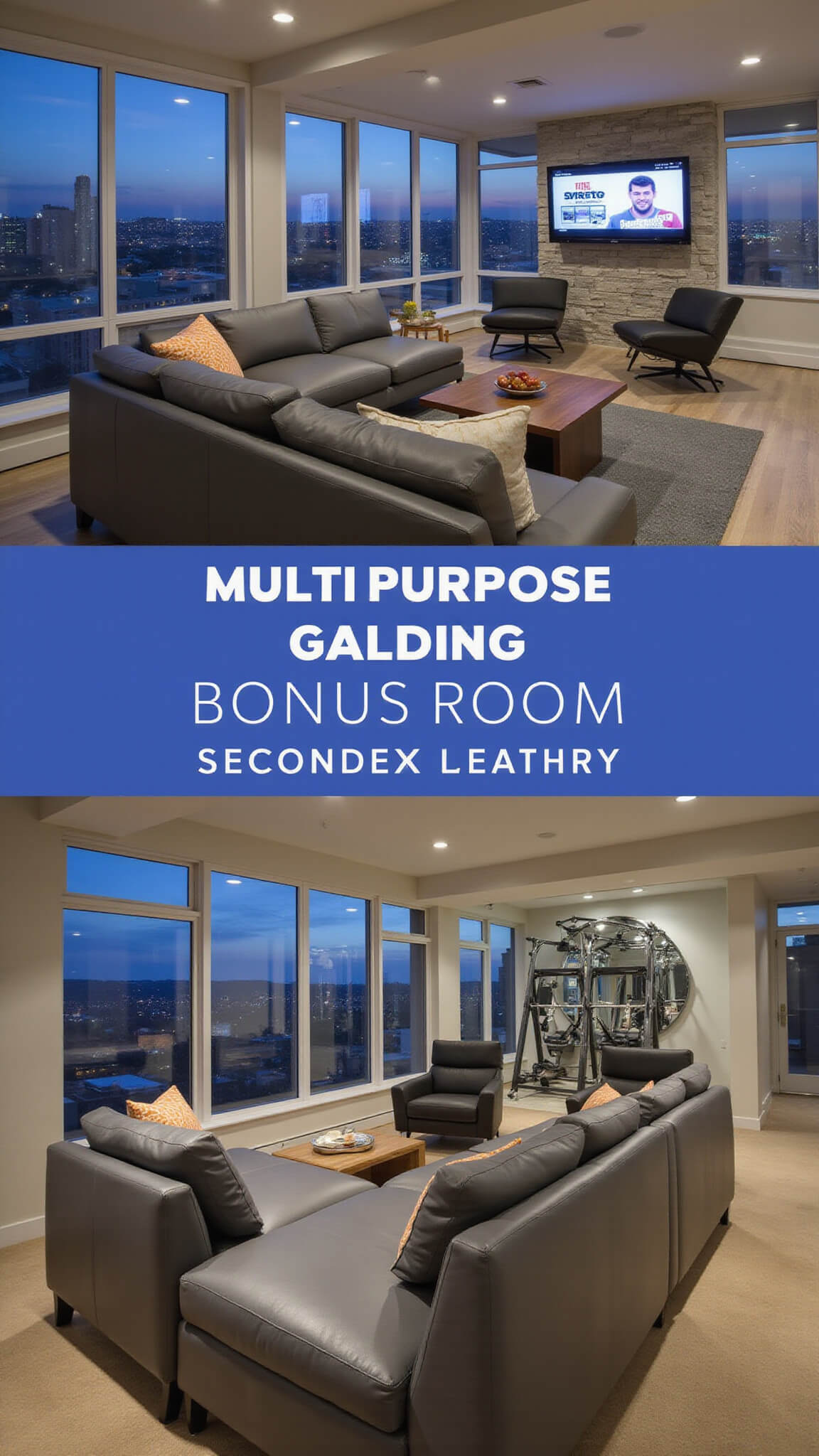
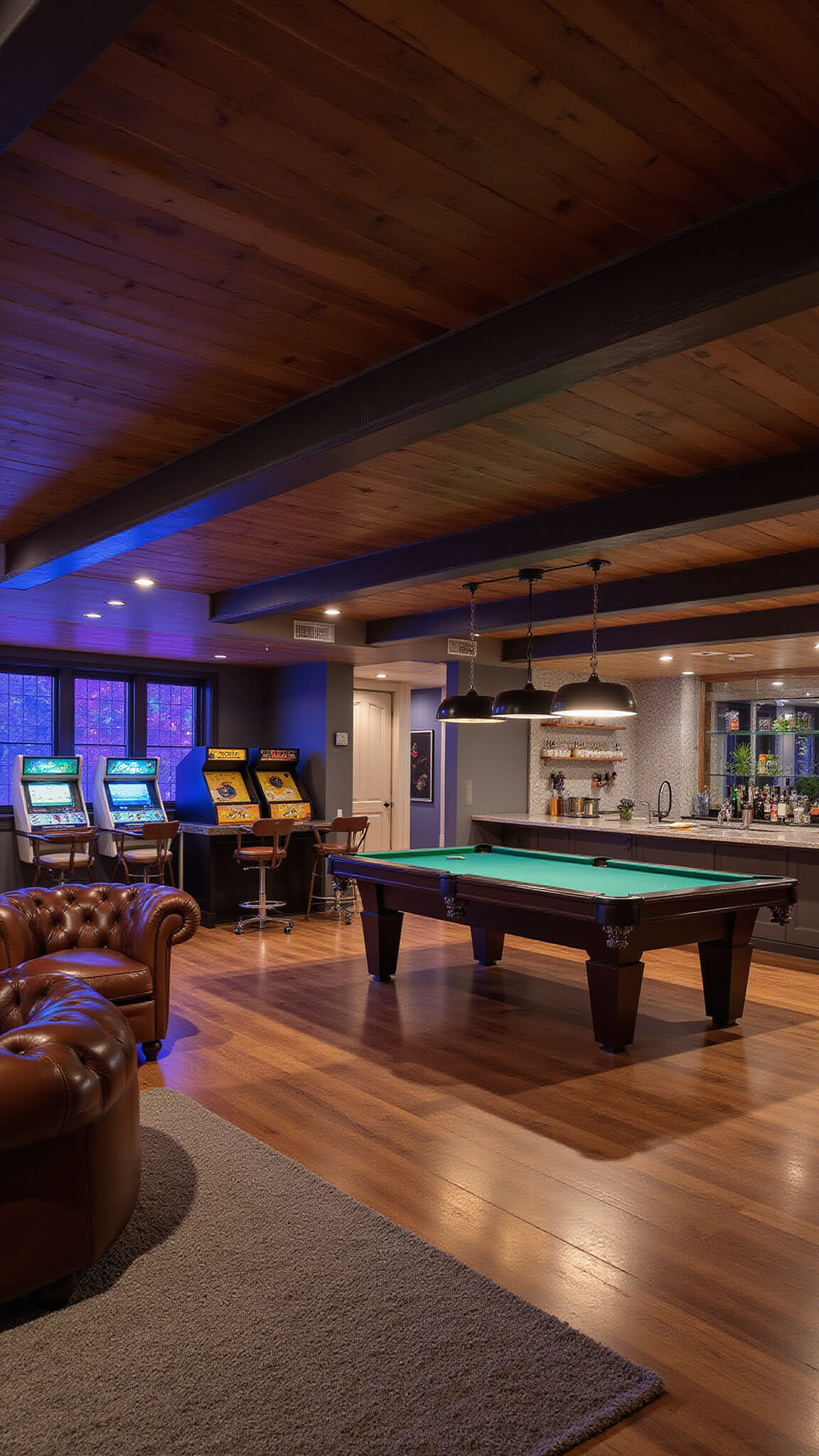
- Media room + gaming space
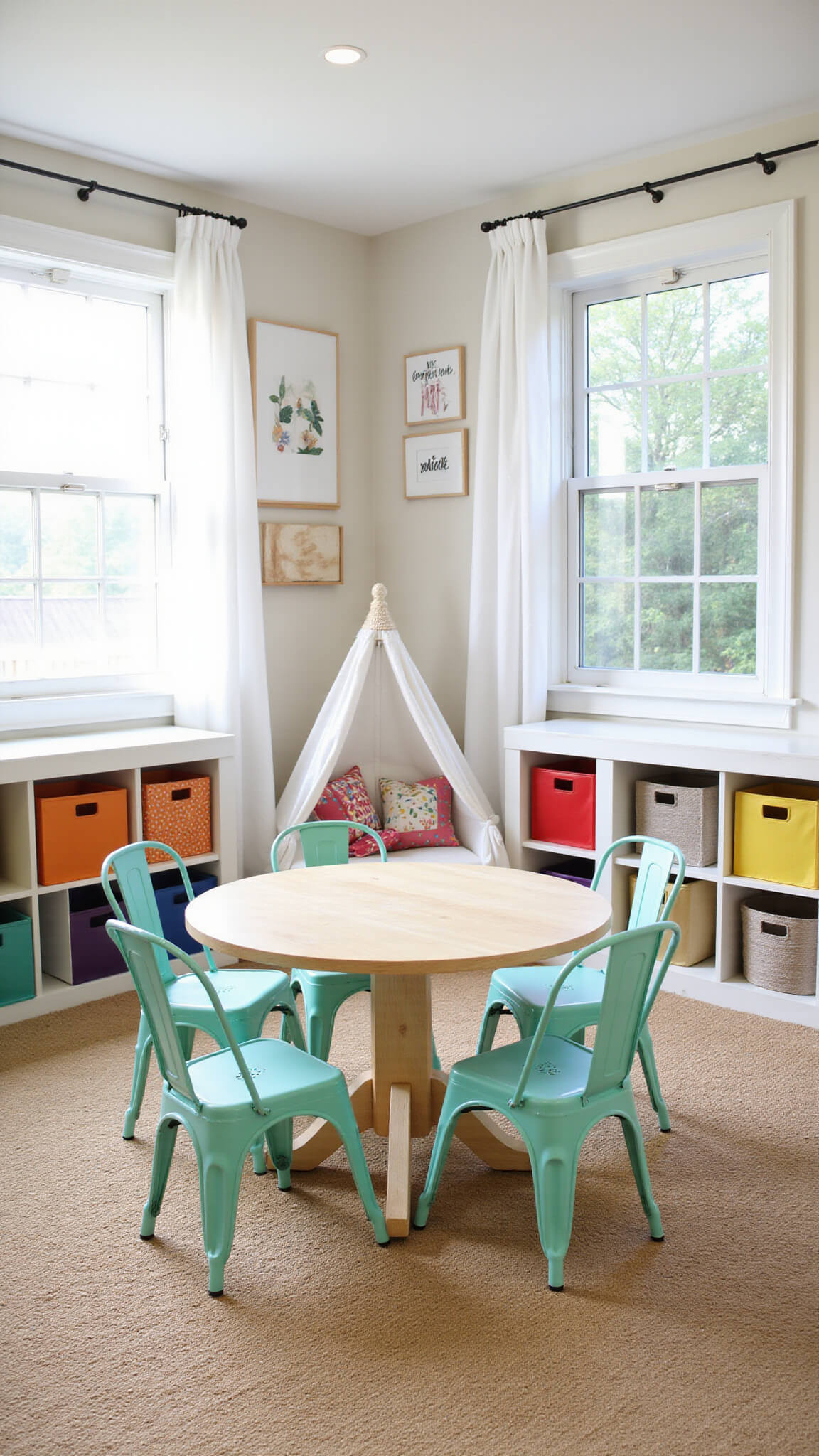
- Kid’s playroom + homework station
- Home gym + meditation corner
Pro Tip: Multi-purpose spaces work best when you clearly define zones using rugs or furniture placement.
Step 2: Nail Your Color Scheme
Here’s my foolproof formula:
- 60% neutral base color
- 30% secondary color
- 10% accent color
For example, I recently styled a room with:
- Warm gray walls (60%)
- Navy furniture (30%)
- Gold accents (10%)
Step 3: Layer Your Lighting
Y’all, lighting is everything. Here’s what you need:
Save this article
Enter your email and we'll send it straight to your inbox.
- Natural light (clean those windows!)
- Task lighting (desk lamps, reading lights)
- Ambient lighting (floor lamps, LED strips)
- Accent lighting (wall sconces, picture lights)
Step 4: Furniture Placement Magic
The secret sauce to a well-styled room is proper furniture placement. Here’s my go-to approach:
- Start with your largest piece (usually a sofa or desk)
- Create conversation areas
- Leave walking paths at least 30 inches wide
- Face seating toward the room’s focal point
Budget-Friendly Styling Tips:
- Shop secondhand for statement pieces
- DIY your wall art
- Use paint for dramatic transformations
- Repurpose items you already own
- Mix high and low-end pieces
Common Mistakes to Avoid:
- × Pushing all furniture against walls
- × Using too many small decor pieces
- × Forgetting about storage solutions
- × Choosing the wrong rug size
- × Skipping the planning phase
Final Touches That Make a Difference:
- Add texture through pillows and throws
- Include living plants (or good fakes)
- Layer rugs for depth
- Use trays to organize smaller items
- Add personal touches (family photos, travel souvenirs)
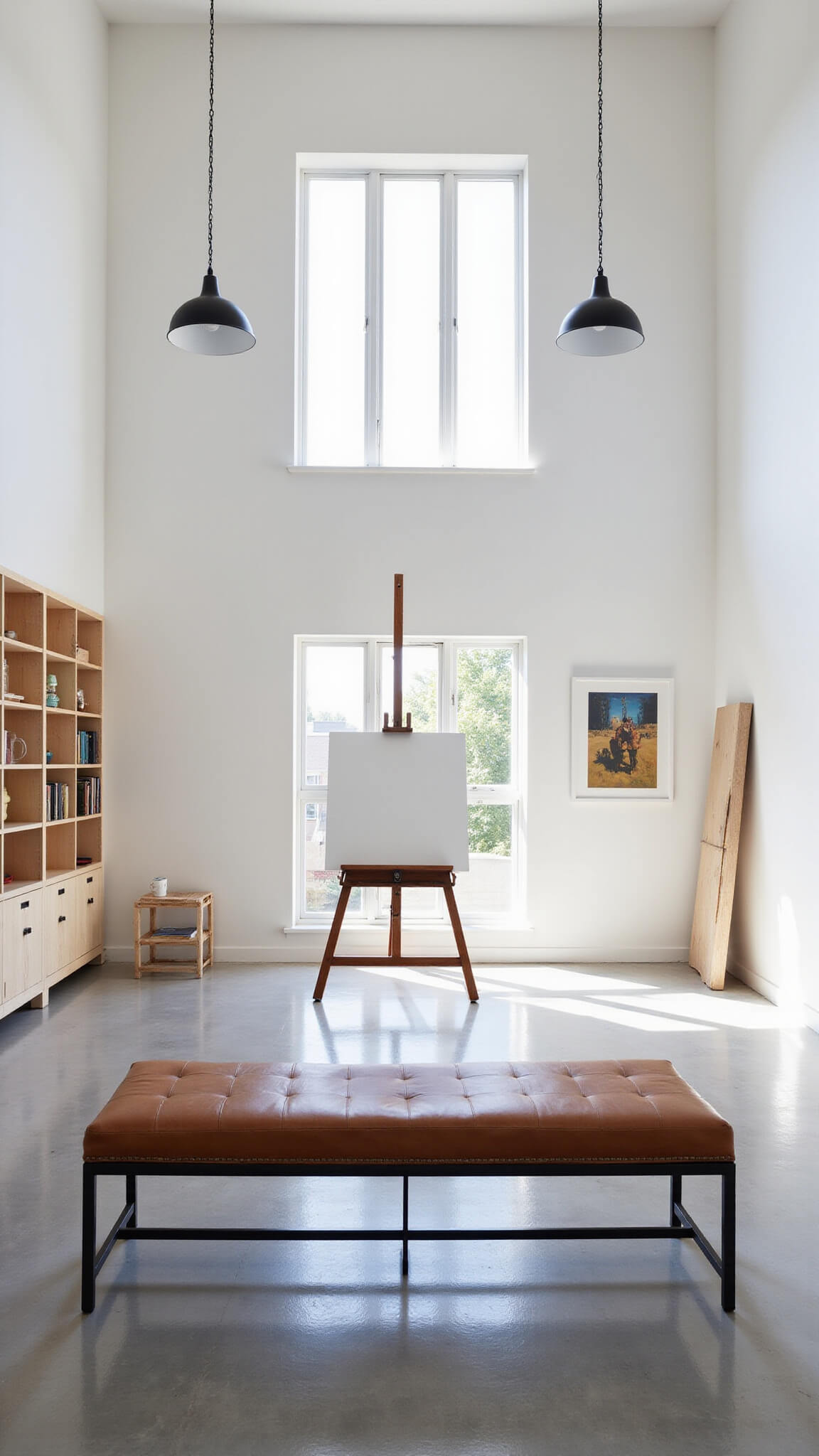
Remember: Your bonus room should reflect your style while being functional for your needs. Don’t get too caught up in what’s trending – focus on what works for your family.
Need some specific ideas? Here are my favorite bonus room setups:
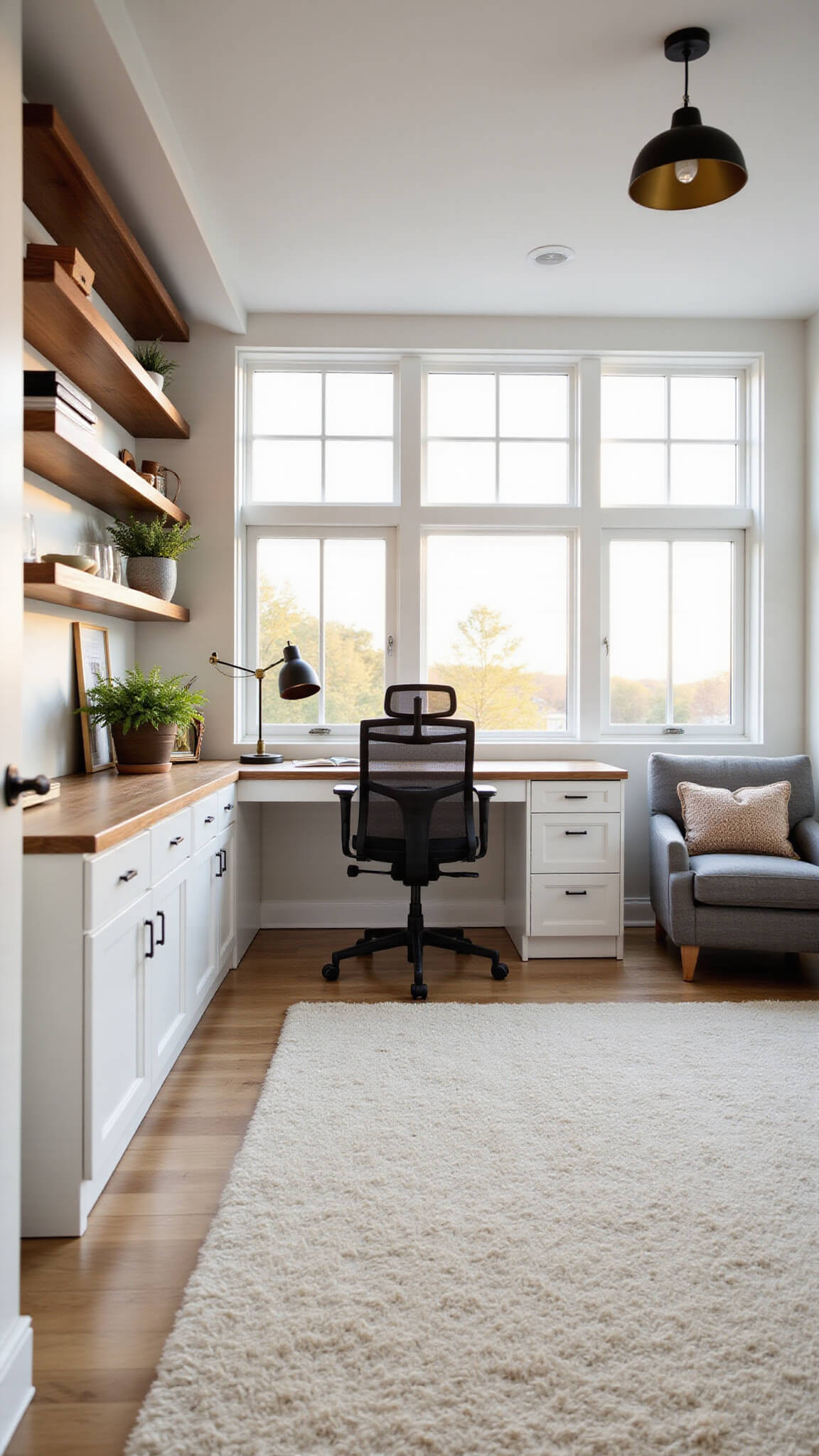
Modern Home Office:
- Built-in desk
- Ergonomic chair
- Floating shelves
- Task lighting
- Cable management solutions
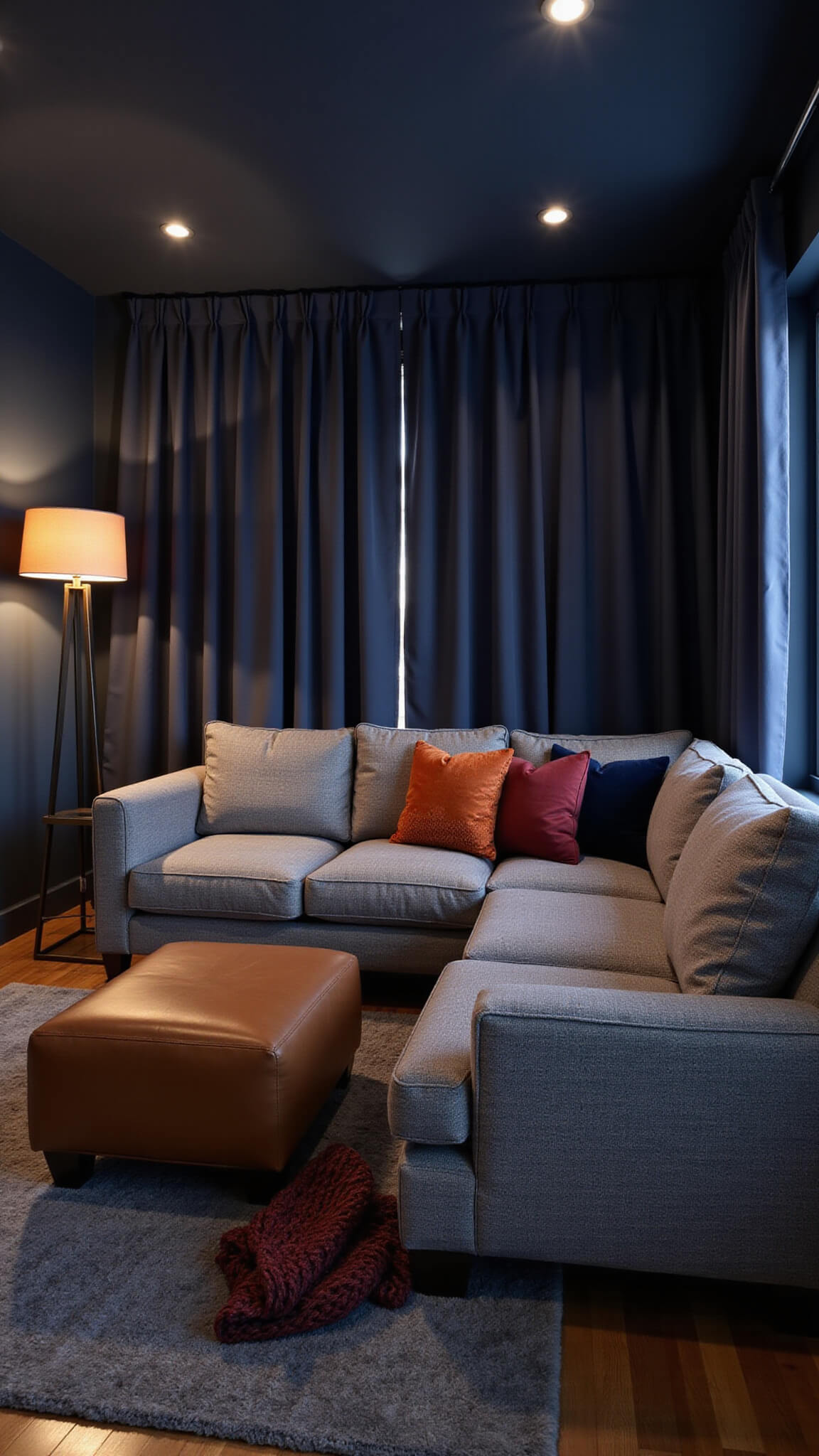
Cozy Media Room:
- Sectional sofa
- Ottoman coffee table
- Blackout curtains
- Surround sound
- Ambient lighting
Kid-Friendly Play Space:
- Storage cubes
- Activity table
- Reading nook
- Washable rug
- Wall organizers
Pick the use you actually need and build from there. Bonus room ideas feel right when the light reaches the main piece and the few objects you keep belong to that one job.
Save this article
We'll email you the link so you can come back to it.