Why Wood Cabinets Are Worth Your Money
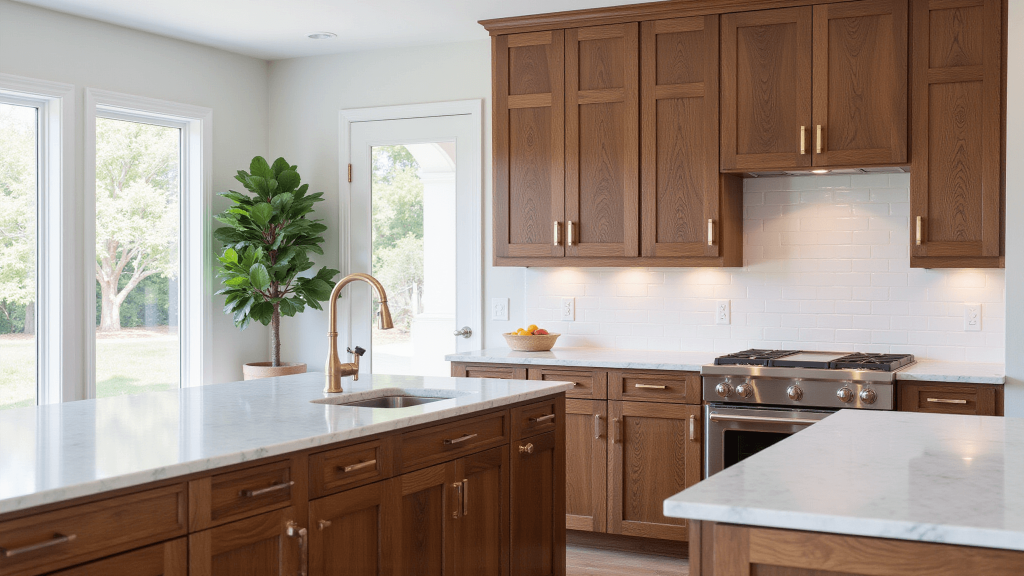
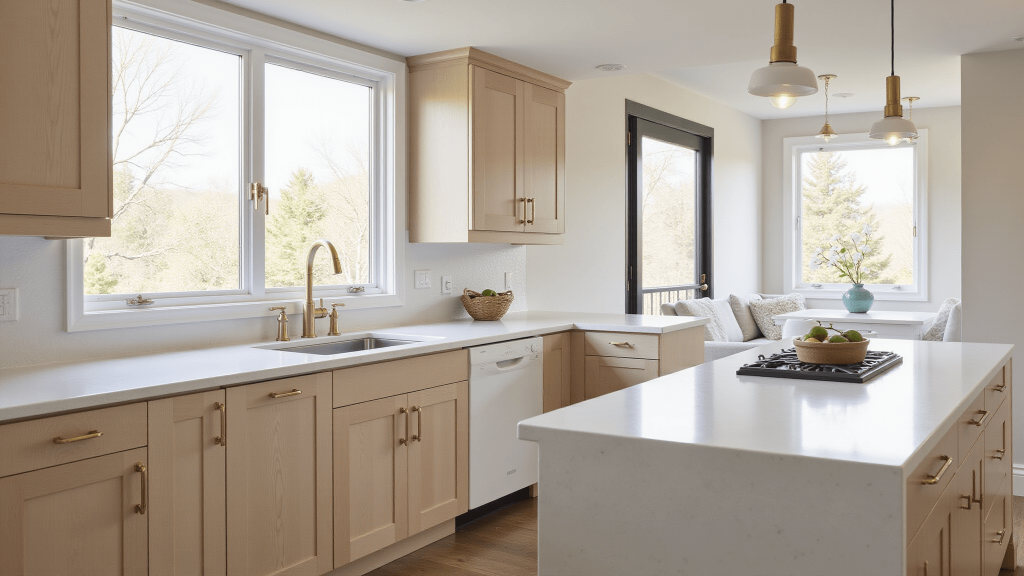
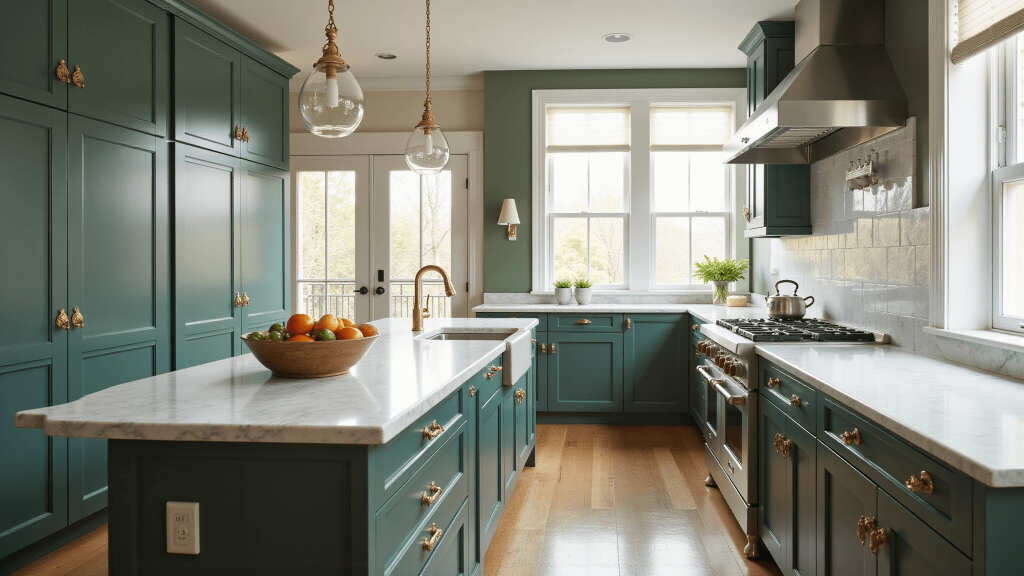
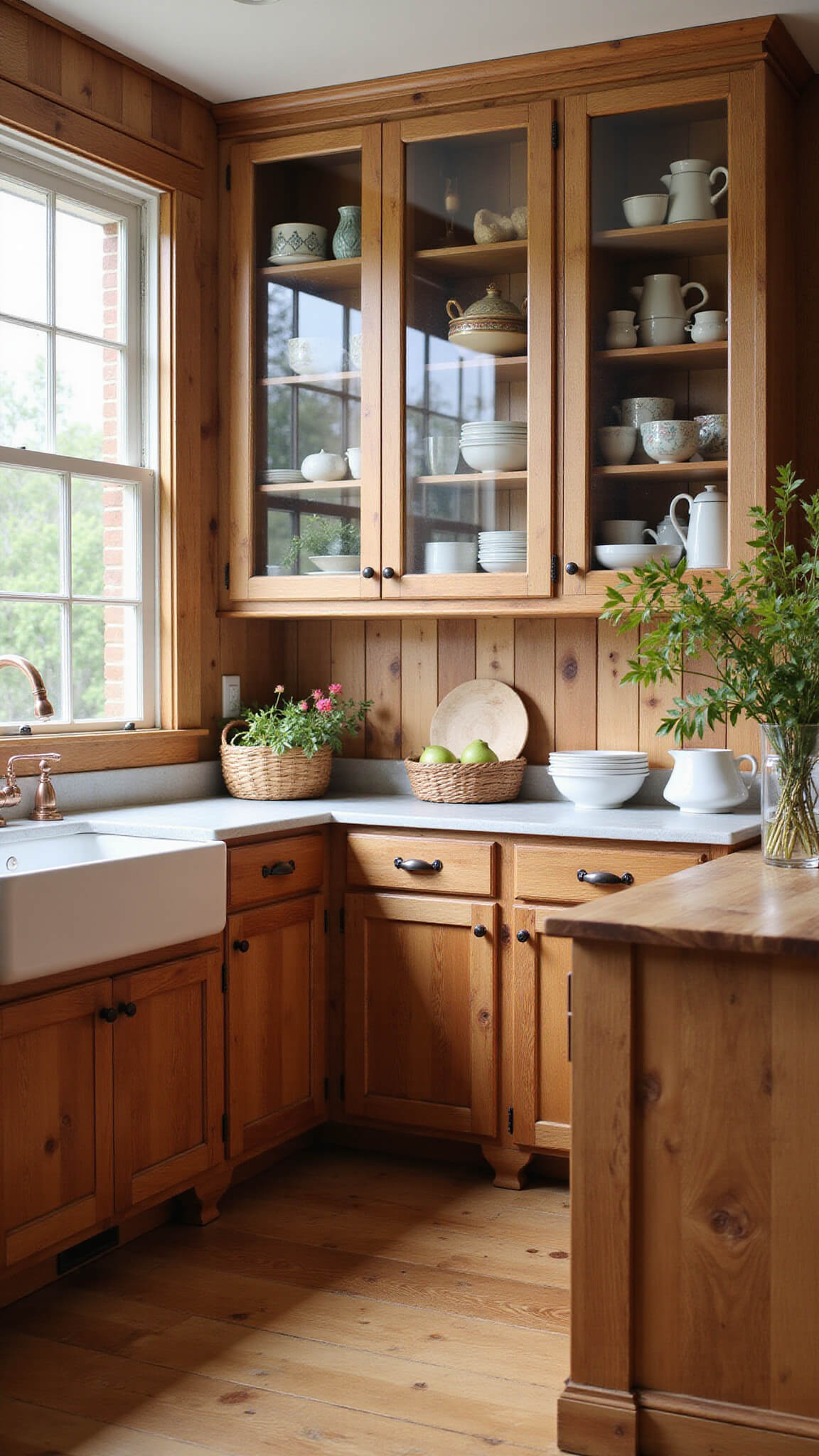
I refinished a client’s wood kitchen cabinets and the natural grain finally read as the feature it always was. Kitchen cabinets wood work because the grain carries the room, so the space feels grounded rather than flat.
They’re like the backbone of any kitchen, really. And I’m here to share everything I know about picking and installing them properly.
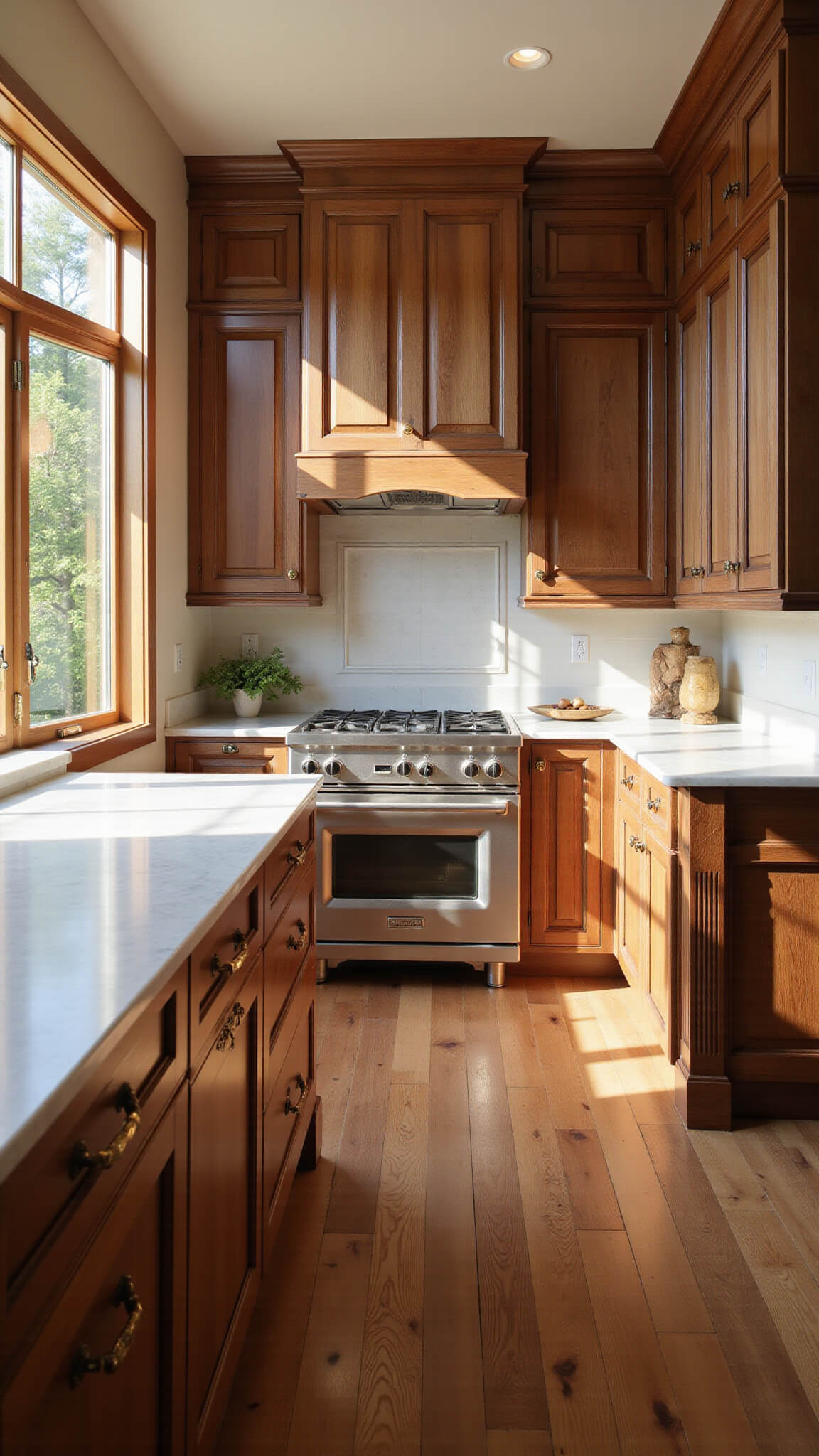
I remember my first kitchen renovation project. The client insisted on particleboard cabinets to save money. Six months later? Everything was warping from moisture.
Here’s why solid wood is different:
- Durability that lasts decades, not years
- Natural resistance to wear and tear
- Ability to refinish rather than replace
- Increases home value significantly
Choosing Your Wood Type
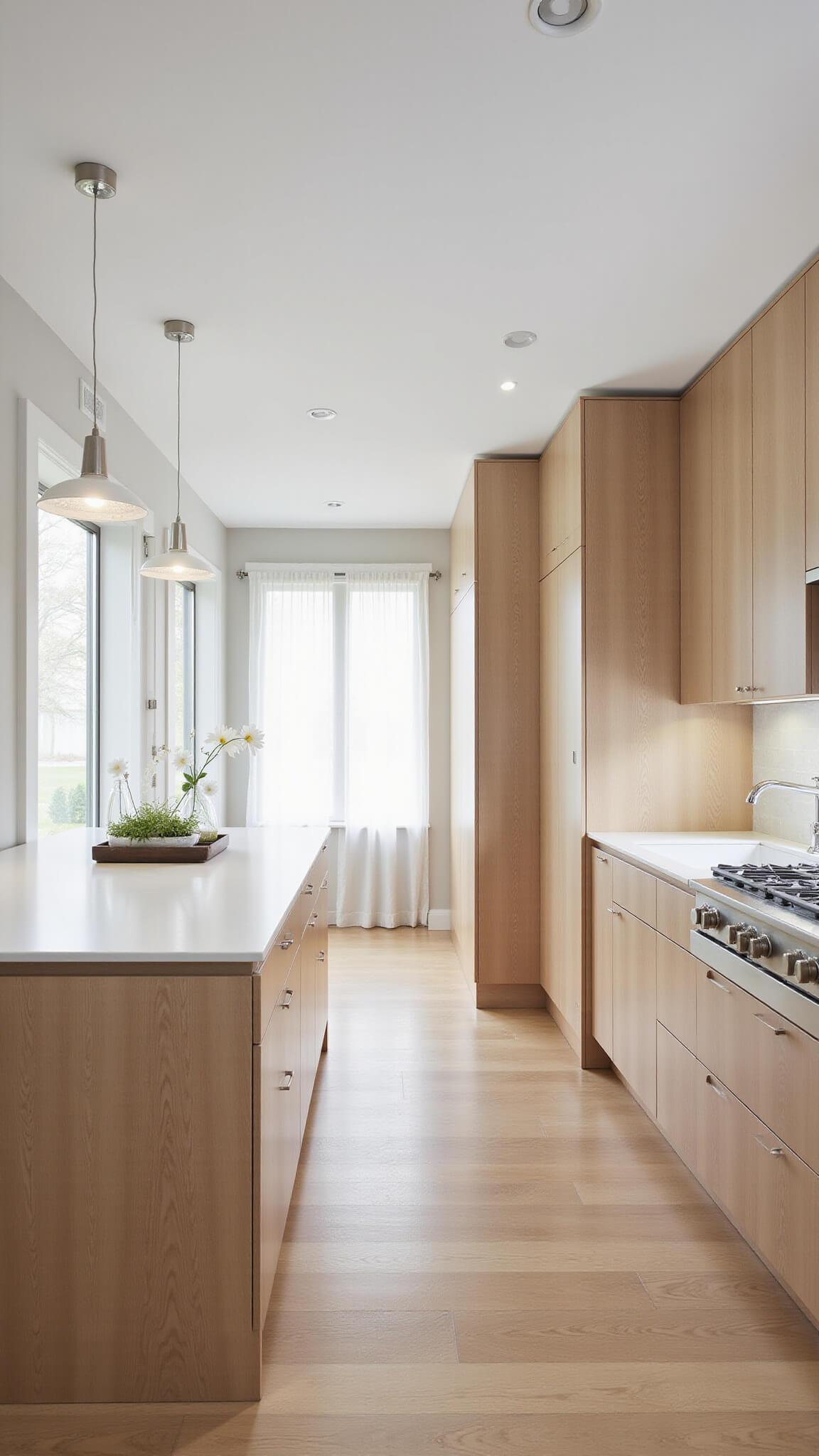
Oak:
- Super durable
- Pronounced grain pattern
- Great for traditional looks
- Cost: $$$
Maple:
- Smooth, uniform appearance
- Takes paint beautifully
- Perfect for modern designs
- Cost: $$$$
Hickory:
- Incredibly strong
- Dramatic grain patterns
- Rustic appeal
- Cost: $$$$
Style Tips That Actually Work
I’ll be straight with you – not every trend you see on Pinterest works in real life. Here’s what actually does:
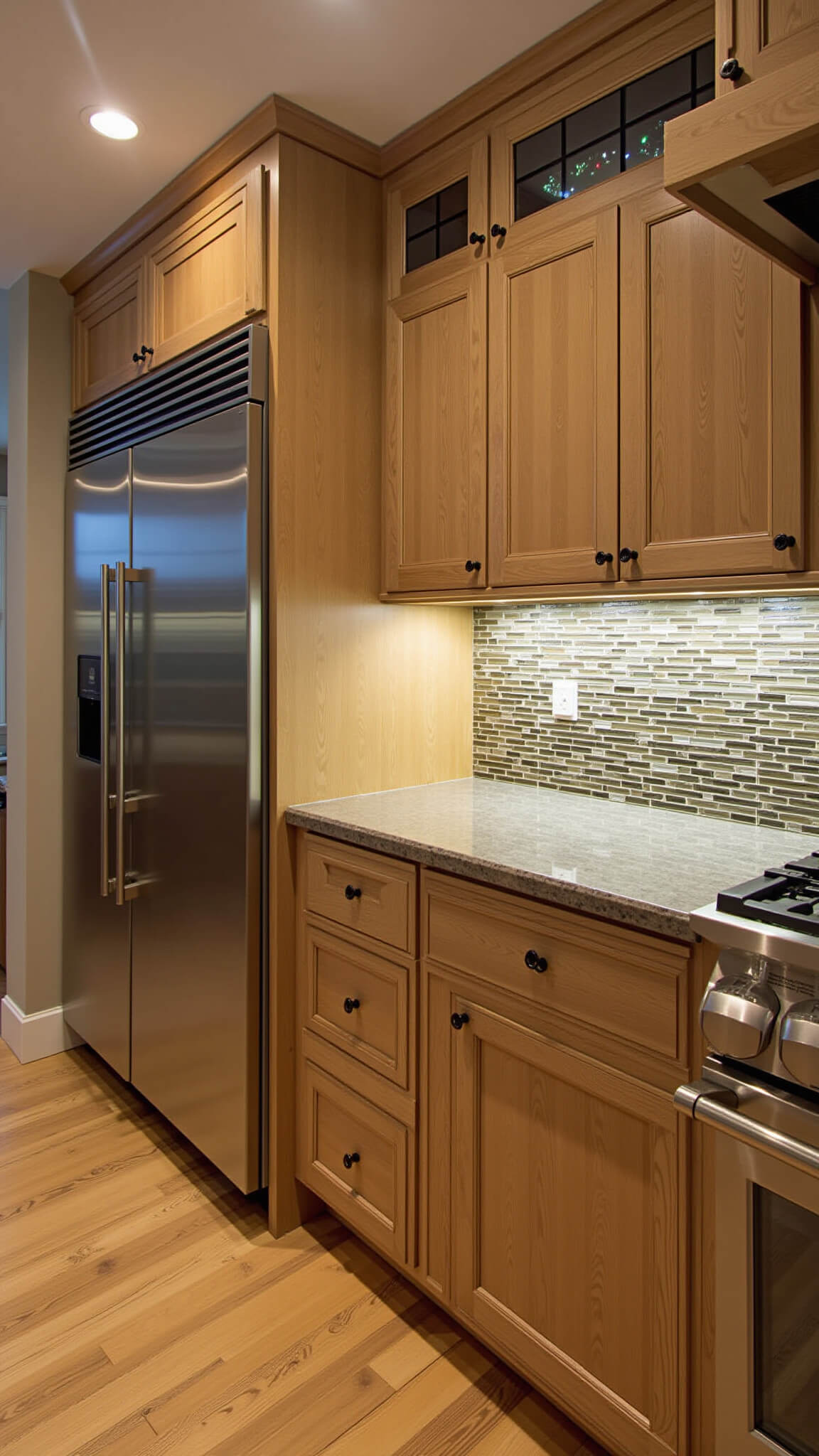
- Mix wood tones strategically
- Use contrasting hardware
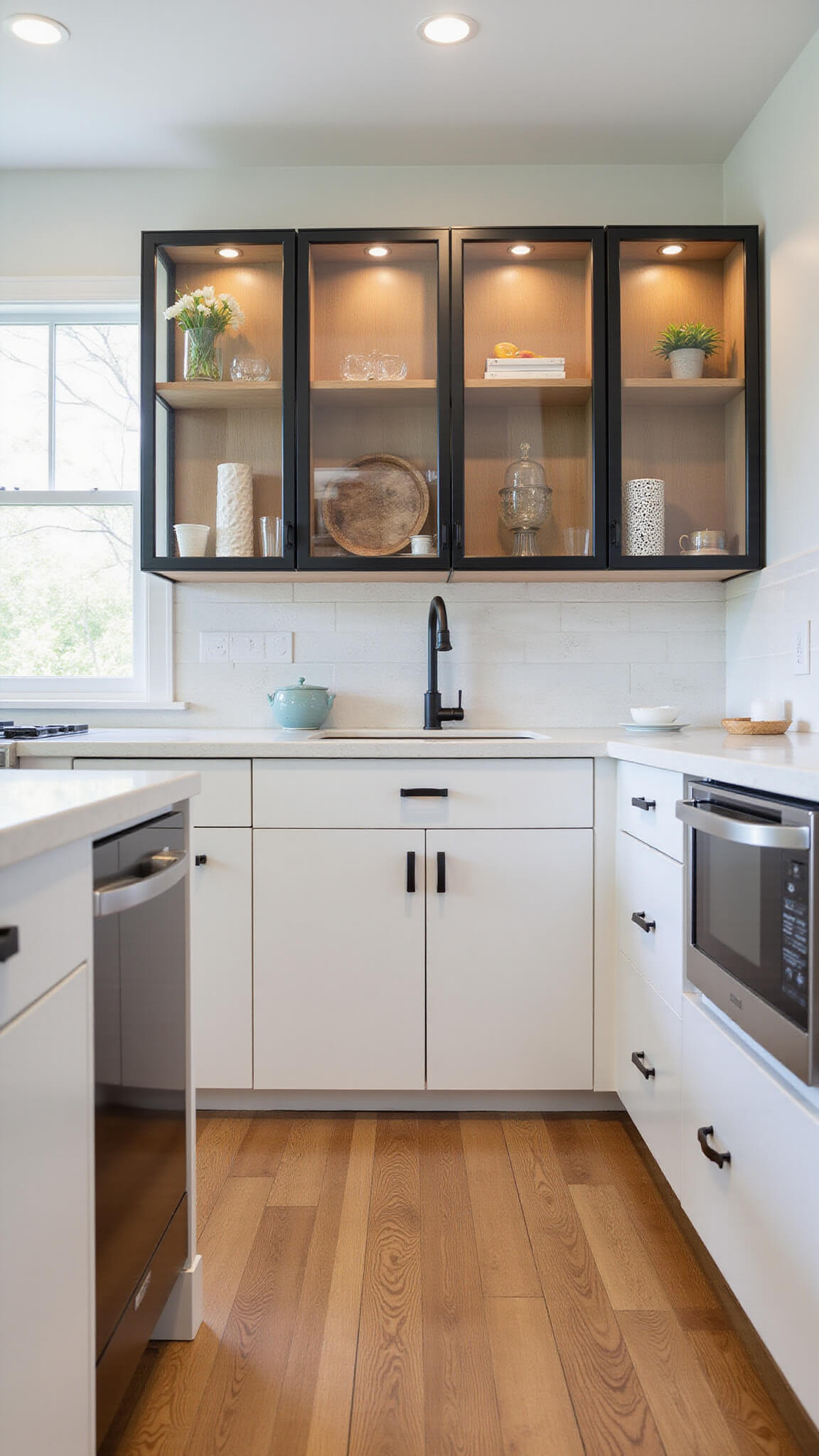
- Consider glass inserts for upper cabinets
- Add under-cabinet lighting
Installation: DIY or Pro?
Look, I’m all for DIY, but here’s the honest truth about cabinet installation:
DIY-Friendly Tasks:
- Assembly of RTA (Ready-to-Assemble) cabinets
- Hardware installation
- Basic modifications
Leave to Pros:
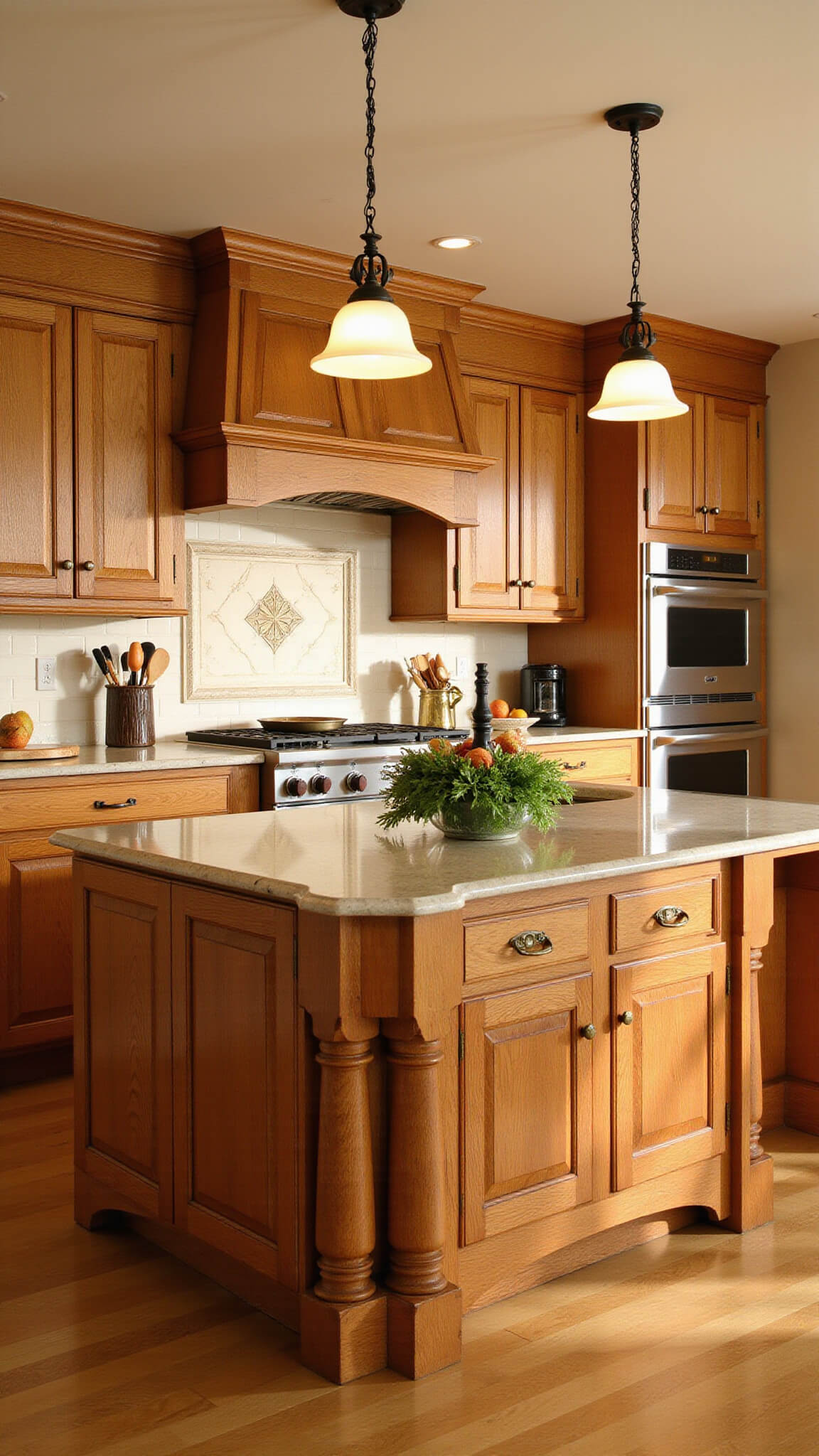
- Complex layouts
- Custom modifications
- Structural changes
Save this article
Enter your email and we'll send it straight to your inbox.
Maintenance Secrets
Want your cabinets looking fresh for years? Here’s my tried-and-true routine:
- Clean with mild soap solution monthly
- Tighten hardware every 6 months
- Touch up finish yearly
- Adjust hinges as needed
Cost Breakdown
Here’s what you’re really looking at:
- Stock Cabinets: $2,500-$4,000
- Semi-Custom: $4,000-$9,000
- Custom: $10,000+
Pro Tip: Don’t skimp on hardware. Trust me, you’ll touch these cabinets hundreds of times daily.
Common Mistakes to Avoid
I’ve seen these blunders too many times:
- Choosing trendy styles over timeless designs
- Forgetting about storage optimization
- Skipping soft-close hinges
- Not considering the kitchen workflow
The Bottom Line
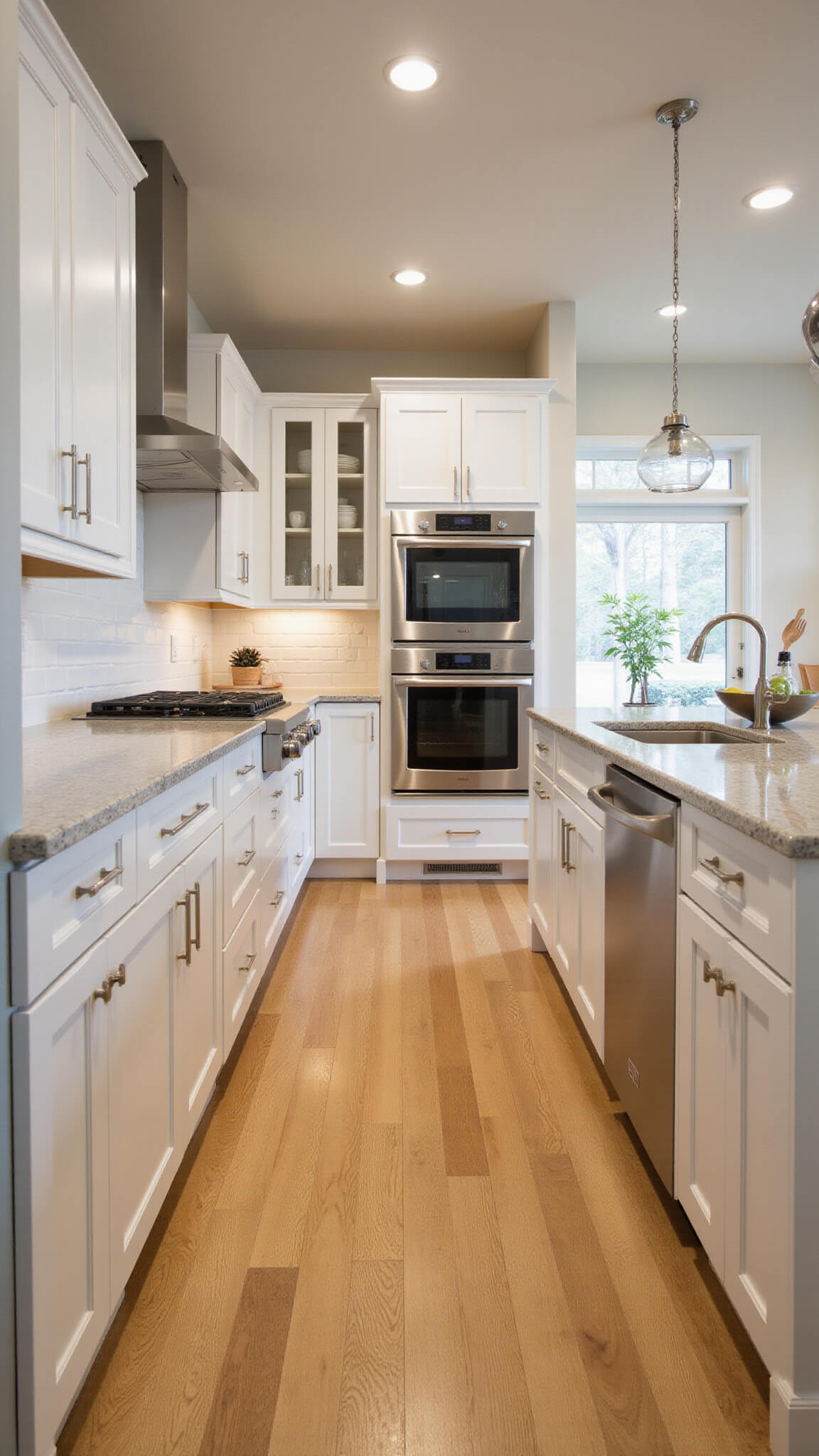
Wood kitchen cabinets aren’t just storage – they’re an investment in your home’s future. Choose quality, think long-term, and don’t be afraid to spend a bit more for features you’ll use daily.
Keep the surrounding finishes plain so the wood leads. Kitchen cabinets wood feel right when the counter is pale and the hardware is simple and warm.
Save this article
We'll email you the link so you can come back to it.