Creating a Wabi Sabi Garden: Finding Beauty in Imperfection
I’ve spent years helping people transform their outdoor spaces, and nothing brings more peace than a Wabi Sabi garden.
Let me show you how to create this serene Japanese-inspired space that celebrates the beauty of imperfection.
What Makes a Wabi Sabi Garden Special?
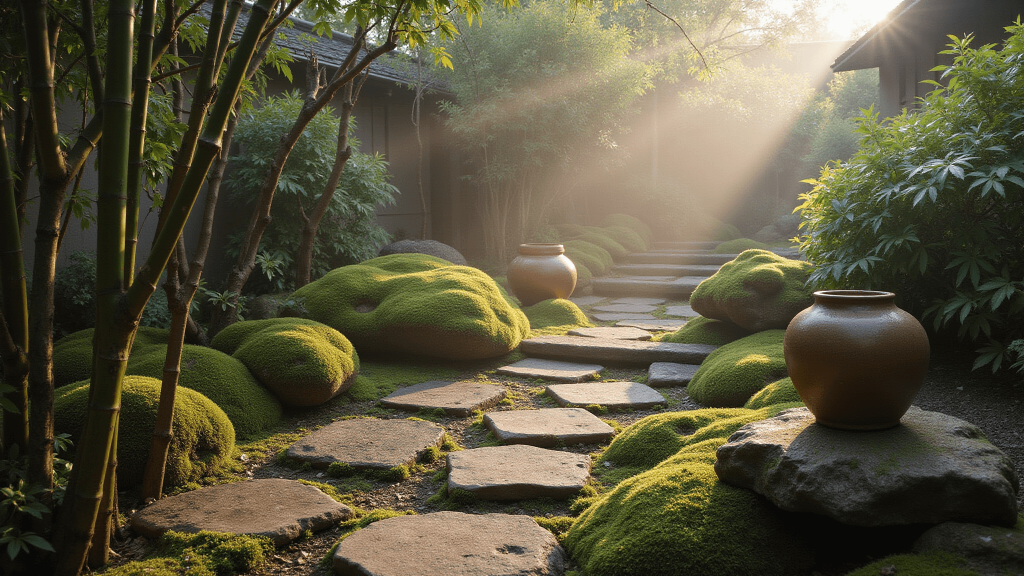
A Wabi Sabi garden isn’t about pristine perfection – it’s about embracing nature’s authentic character.
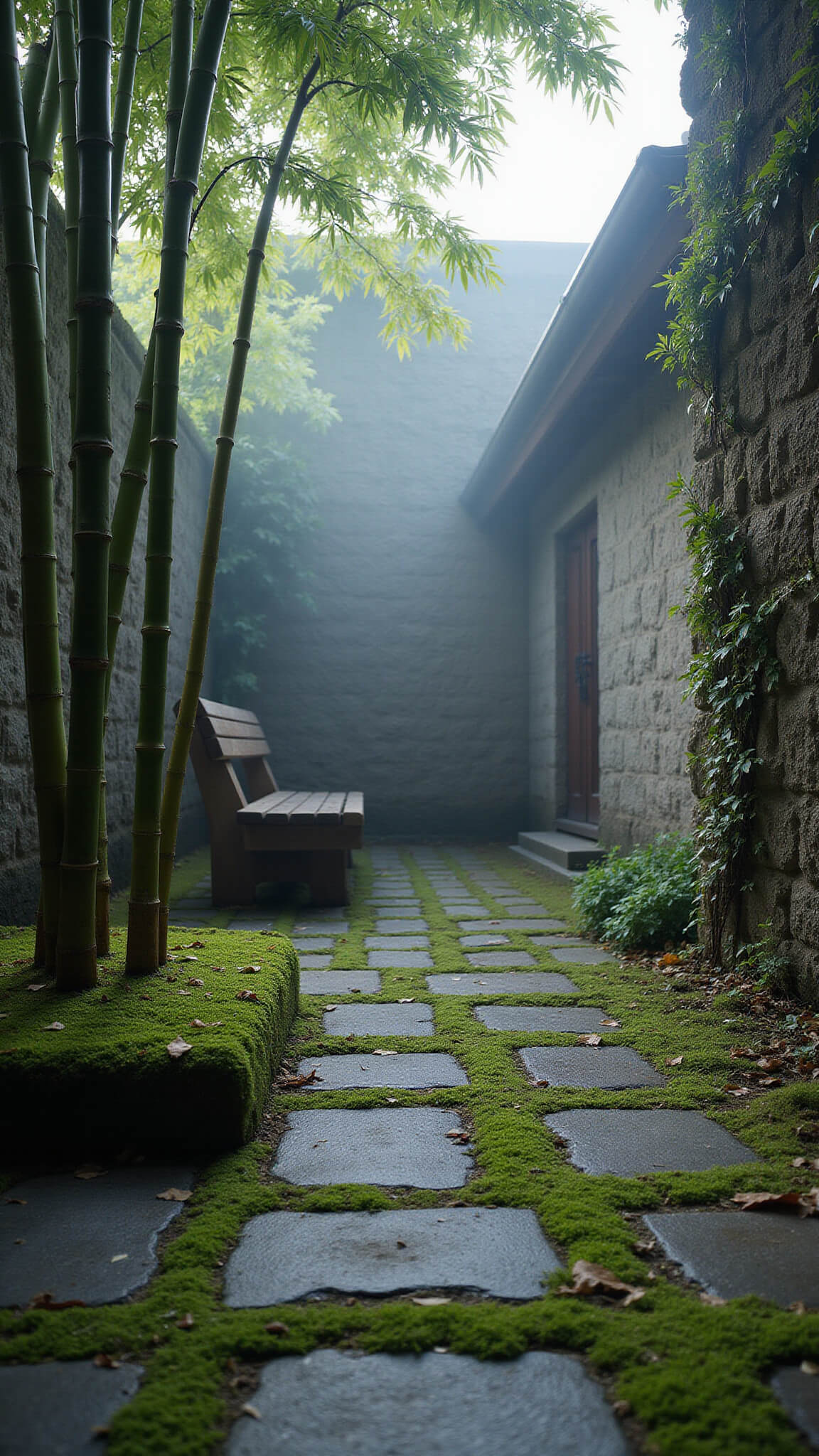
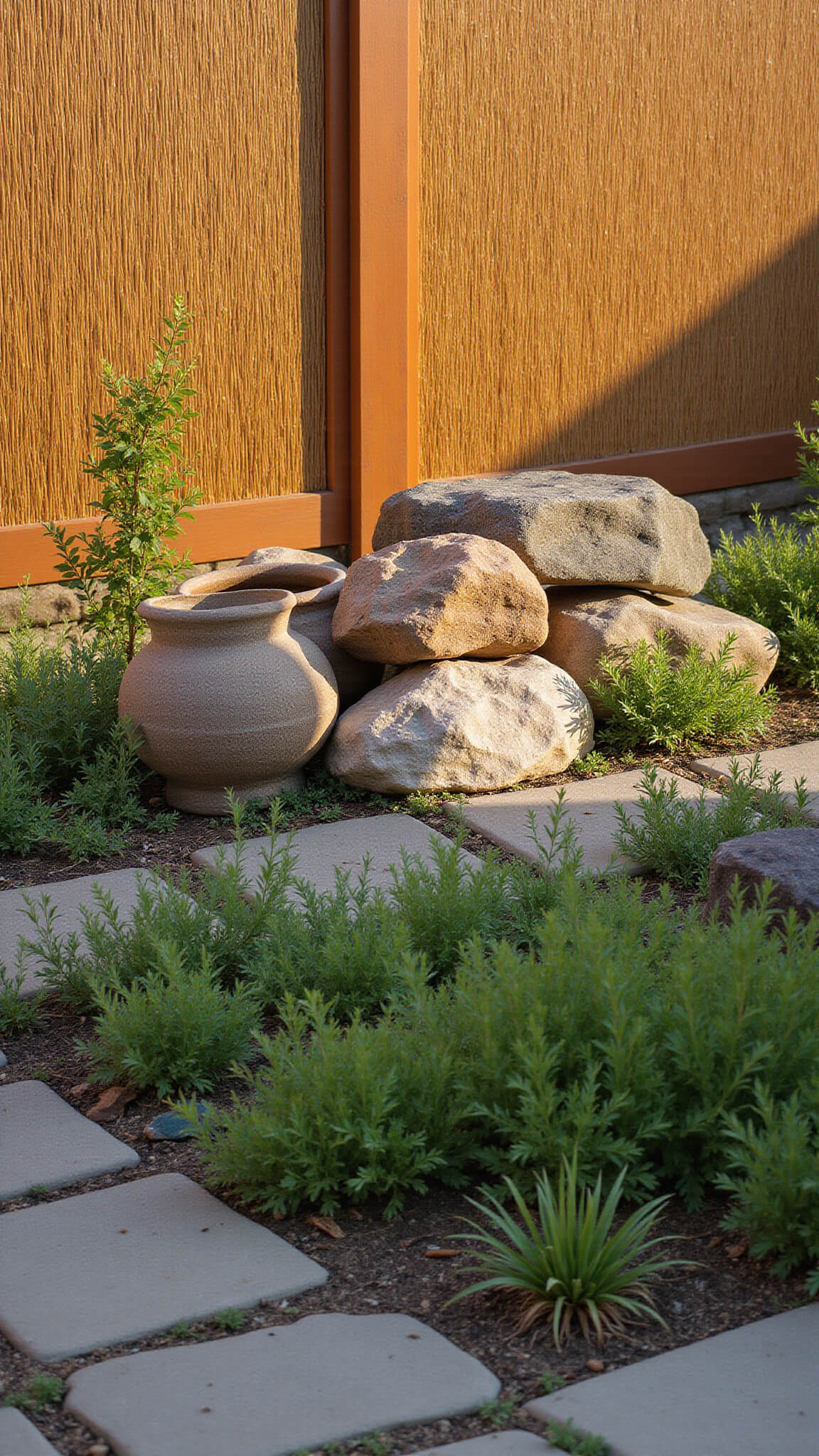
Think weathered stones, moss-covered paths, and asymmetrical arrangements that tell a story of time passing.
Essential Elements You’ll Need:
- Natural stones of varying sizes
- Native plants and moss
- Weathered wood pieces
- Simple water feature (optional)
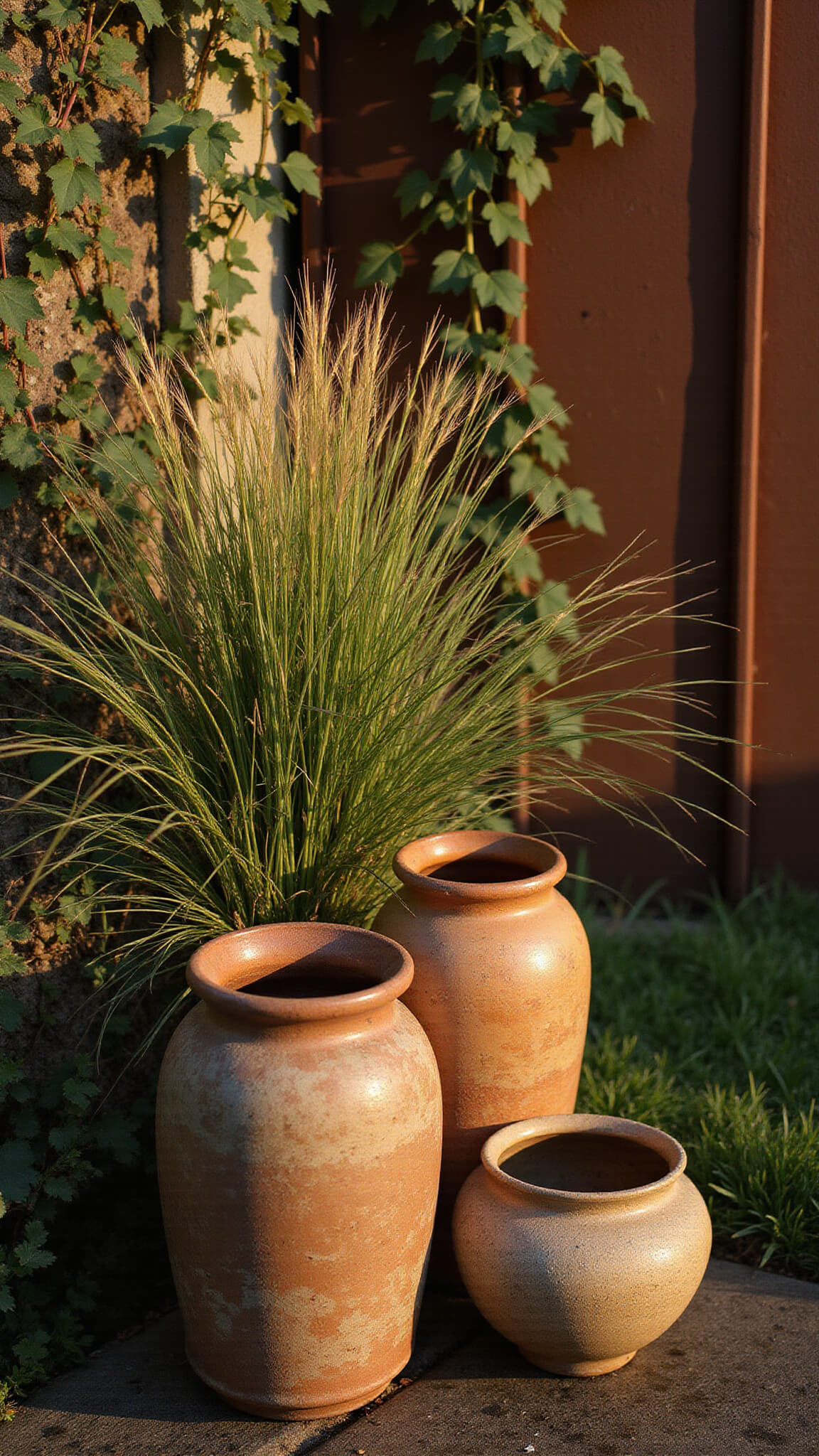
- Aged ceramics or clay pots
- Rustic metal elements
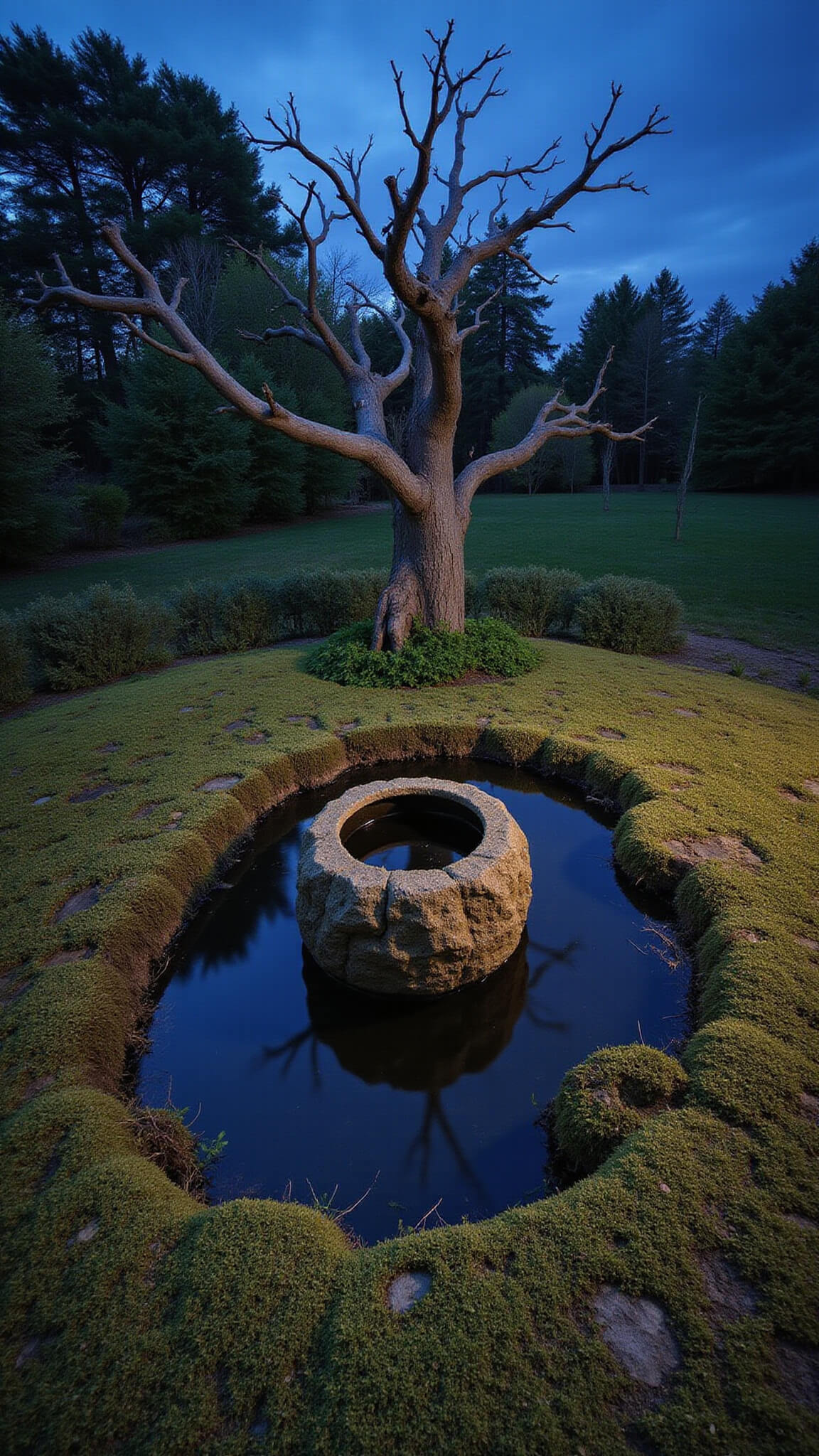
Getting Started: The Basic Layout
First, clear your space of any artificial elements.
Choose a focal point – maybe a large weathered boulder or an old wooden bench.
Remember: asymmetry is your friend here.
Creating Layers of Interest:
- Ground Layer:
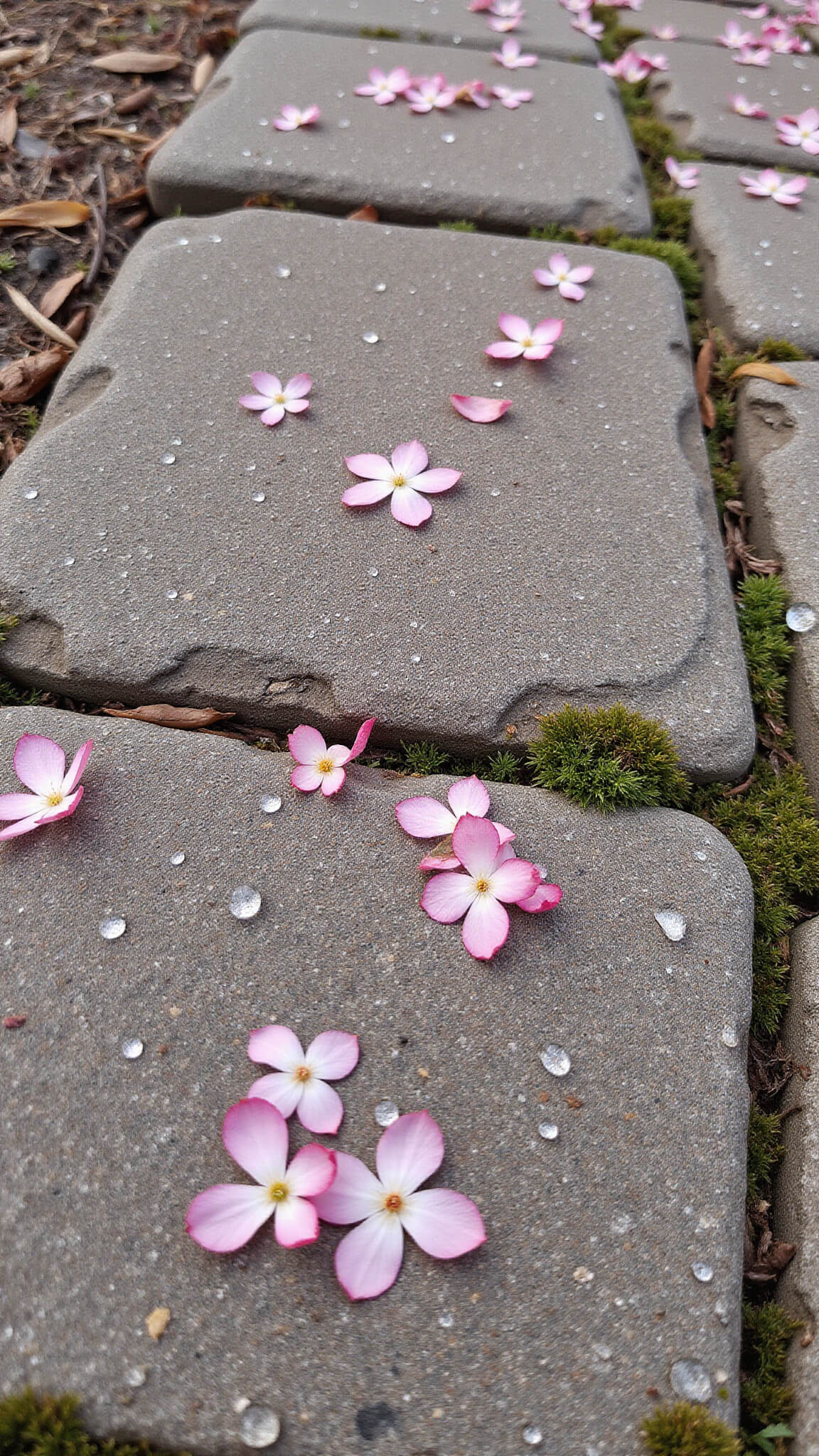
- Lay irregular stepping stones
- Plant moss between cracks
- Add small ground covers
- Mid-Height Elements:
- Place weathered pottery
- Add ornamental grasses
- Include small shrubs
- Vertical Interest:
- Install bamboo screens
- Plant tall grasses
- Add twisted branches
Pro Tip: Working with What You Have
I once transformed a tiny urban backyard using only found objects and native plants.
The key is to look for beauty in unexpected places.
Seasonal Considerations
Spring:
- Let wild flowers emerge naturally
- Embrace new moss growth
- Allow cherry blossoms to scatter naturally
Summer:
- Appreciate sun-bleached woods
- Let grasses grow tall
- Welcome natural patina on stones
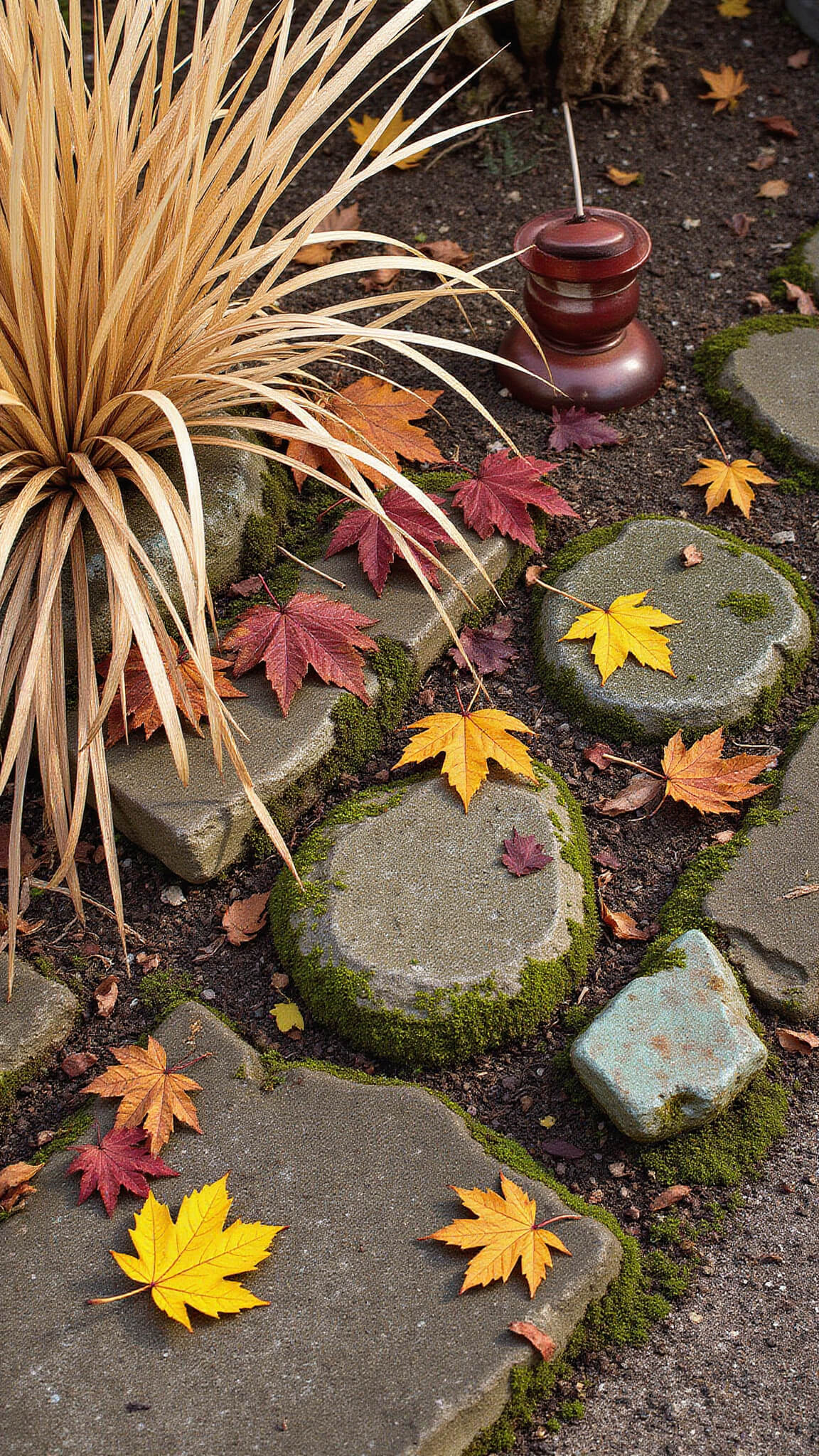
Fall:
- Leave fallen leaves in place
- Celebrate dried seed heads
- Allow plants to naturally decay
Winter:
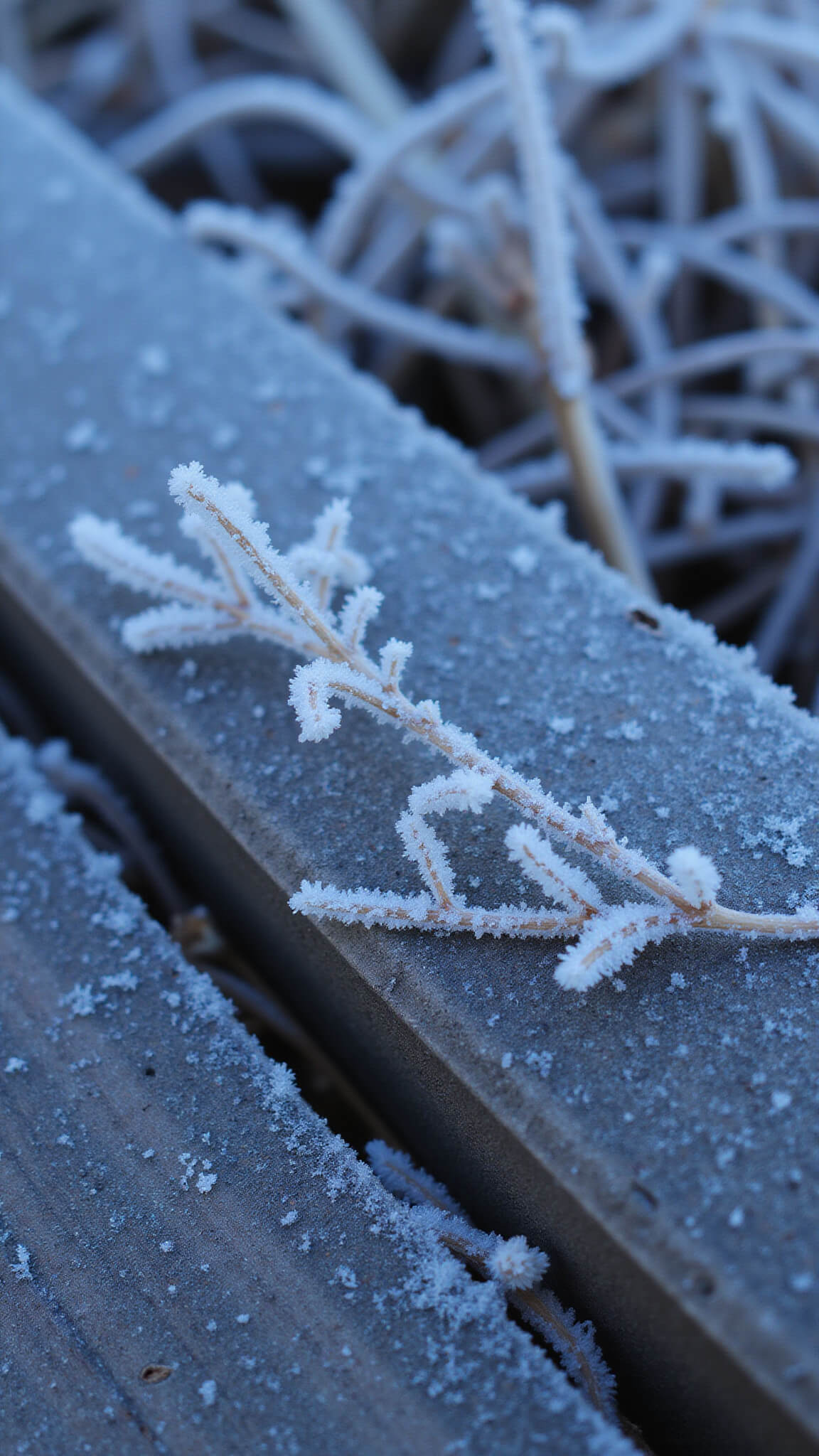
- Embrace frost patterns
- Highlight bare branches
- Showcase snow-covered stones
Common Mistakes to Avoid:
- ❌ Over-manicuring plants
- ❌ Using too many manufactured elements
- ❌ Creating symmetrical arrangements
- ❌ Fighting natural aging processes
Budget-Friendly Tips:
- Collect stones from local areas
- Propagate native plants
- Use fallen branches
- Repurpose old garden items
Maintenance Guidelines:
Keep it simple:
- Minimal pruning
- Allow natural weathering
- Remove only harmful growth
- Let nature guide the design
Remember: A Wabi Sabi garden gets more beautiful with age, unlike traditional manicured gardens.
The magic happens when you step back and let nature take the lead.
Questions about creating your own Wabi Sabi garden? Drop them below!