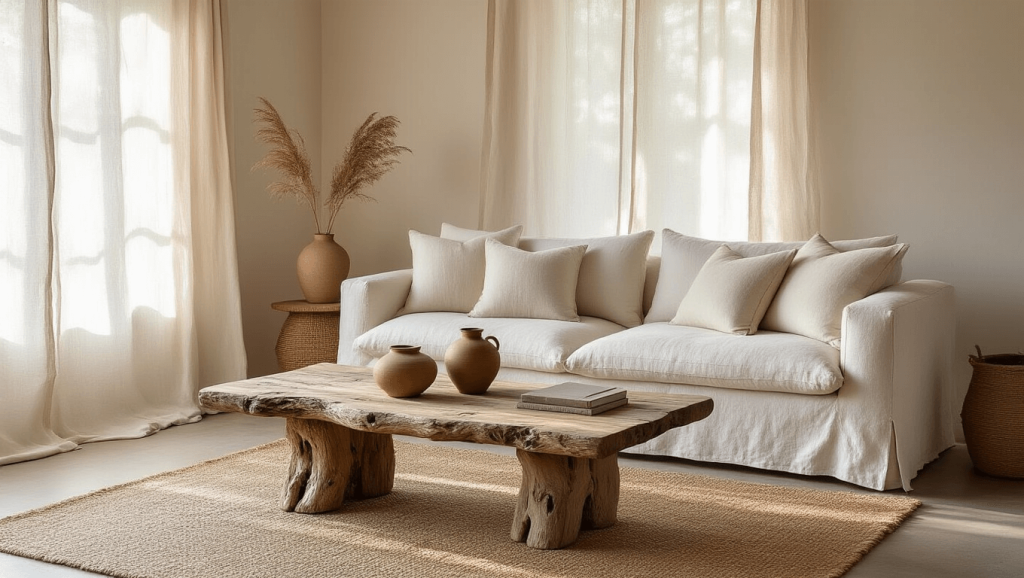
Creating a Serene Wabi Sabi Living Room: A Guide to Embracing Beautiful Imperfection
I’ve spent years helping clients transform their living spaces, and nothing brings more peace than a well-executed wabi sabi living room.
Let me walk you through creating this timelessly beautiful space.
The Essence of Wabi Sabi
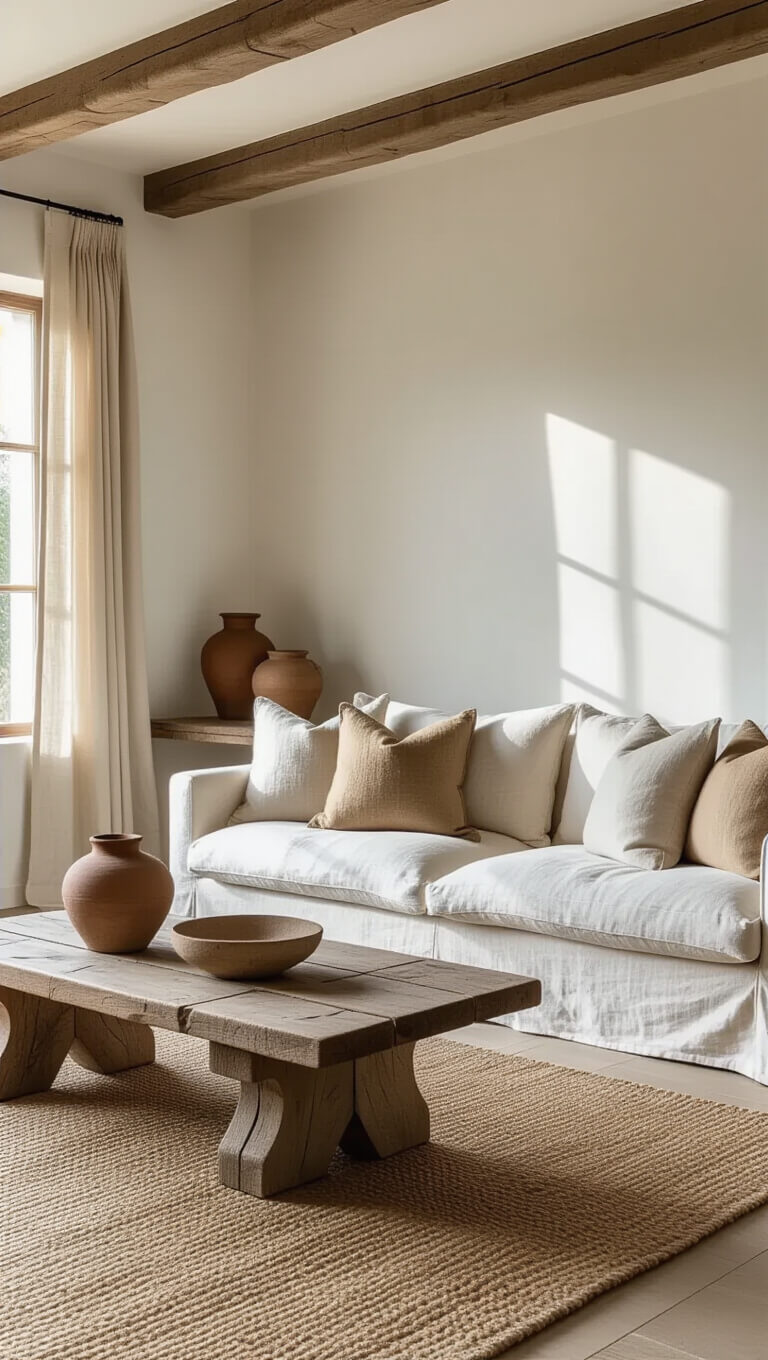
Wabi sabi isn’t just another design trend – it’s a Japanese philosophy celebrating the beauty of imperfection and natural aging.
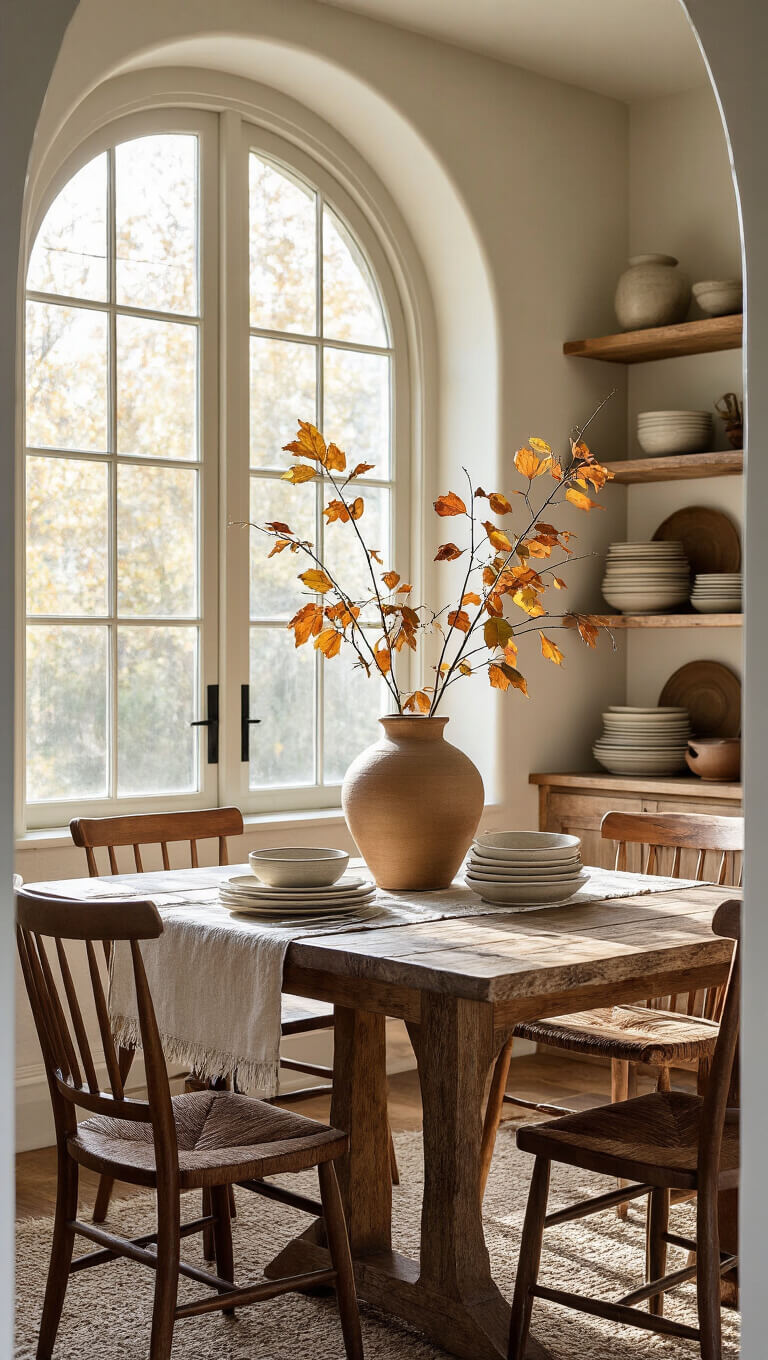
Think weathered wood, handmade ceramics, and organic textures that tell a story.
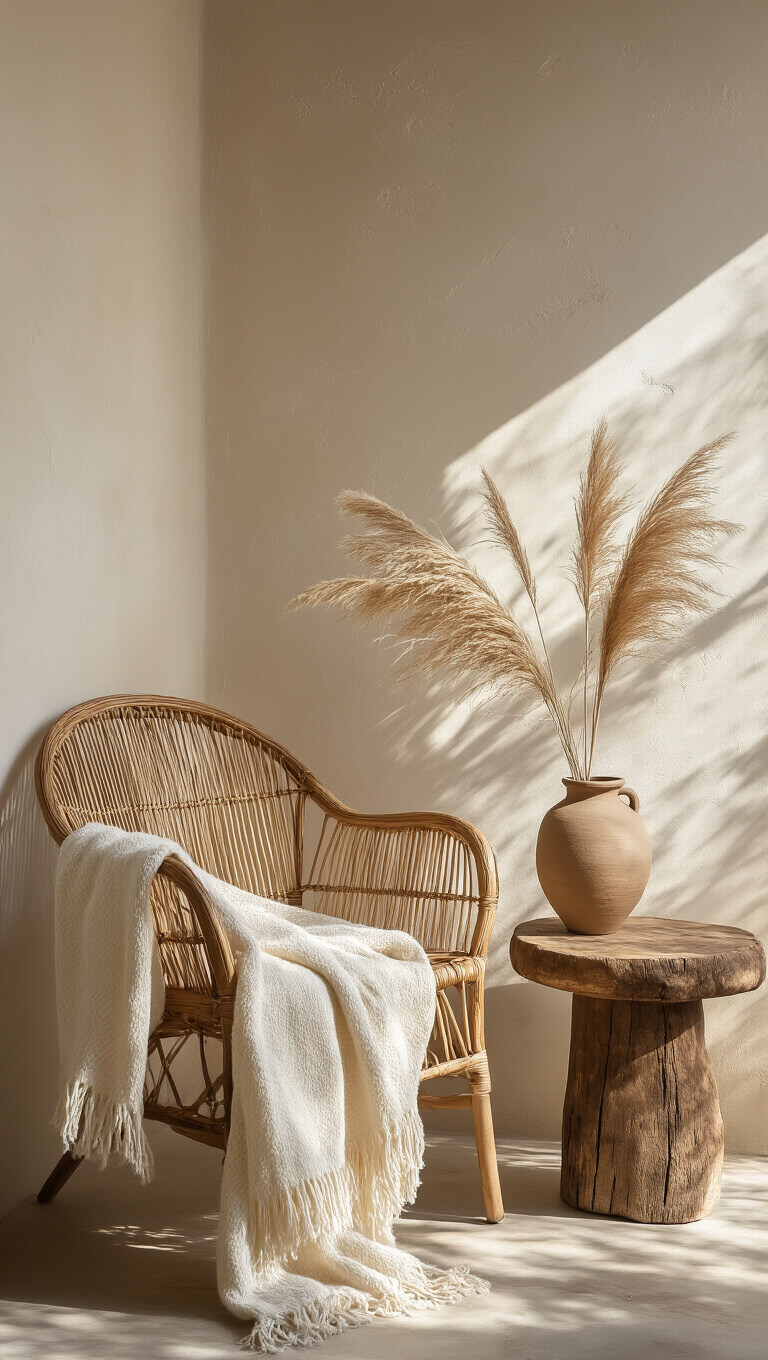
Getting Started: The Basics
First things first: Let’s declutter.
- Remove anything that doesn’t serve a purpose
- Keep only items that bring genuine joy
- Create breathing space between furniture pieces
Key Elements You’ll Need:
- Foundation Pieces:
- A simple linen sofa (natural or off-white)
- A raw wood coffee table (bonus points for visible knots or grain)
- Low-profile seating options
- Textural Elements:
- Hand-woven throws
- Natural fiber rugs
- Raw linen curtains
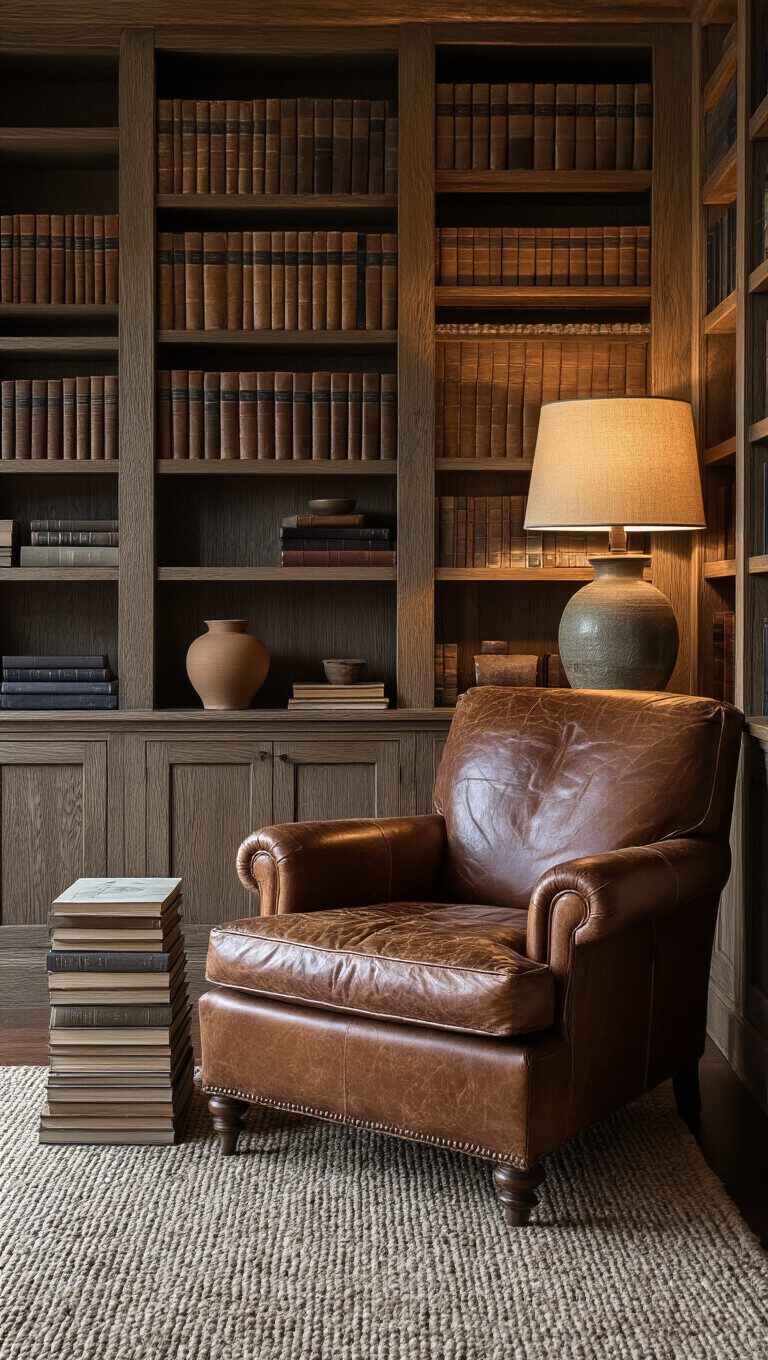
- Handmade ceramic vessels
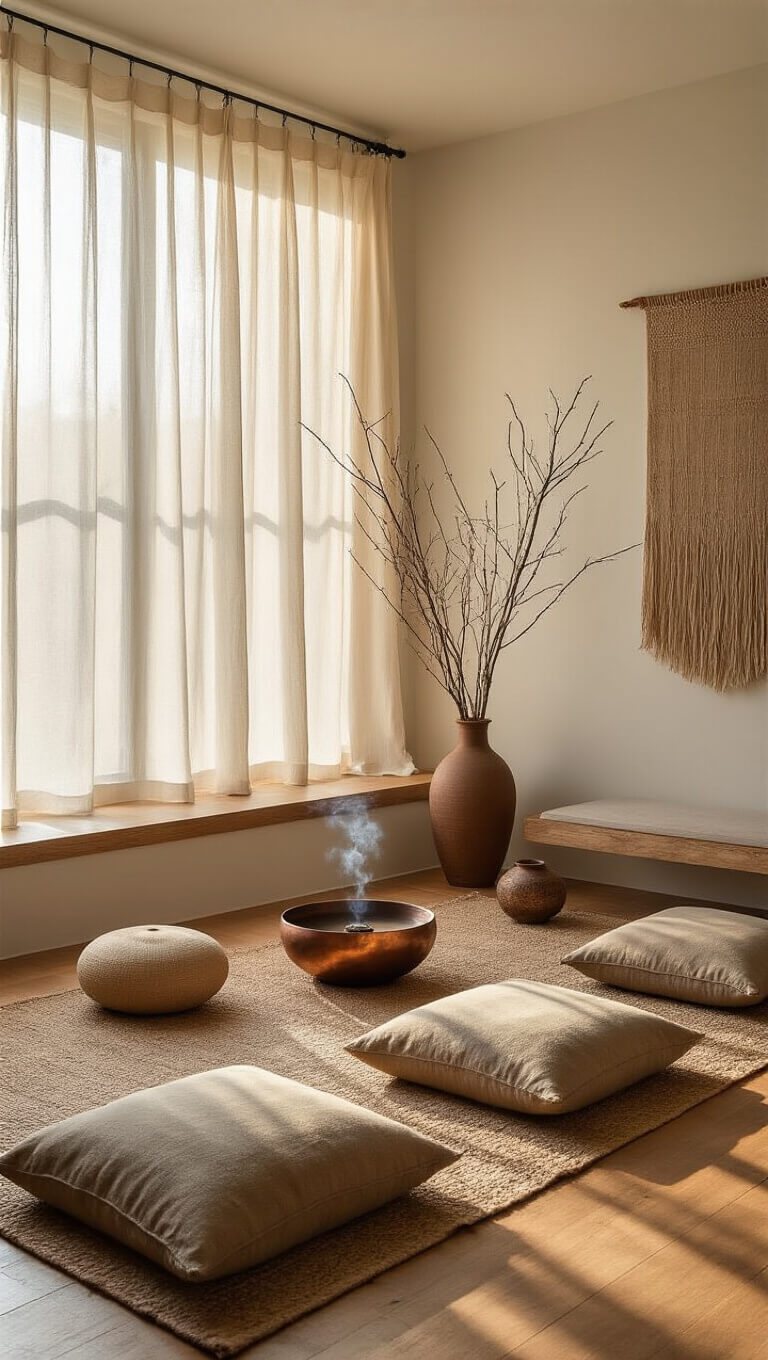
Bringing It All Together
I always start with the largest piece – usually the sofa.
Position it against your main wall, leaving plenty of negative space around it.
Pro Tip: Avoid pushing furniture against walls unless necessary. Let pieces float and breathe.
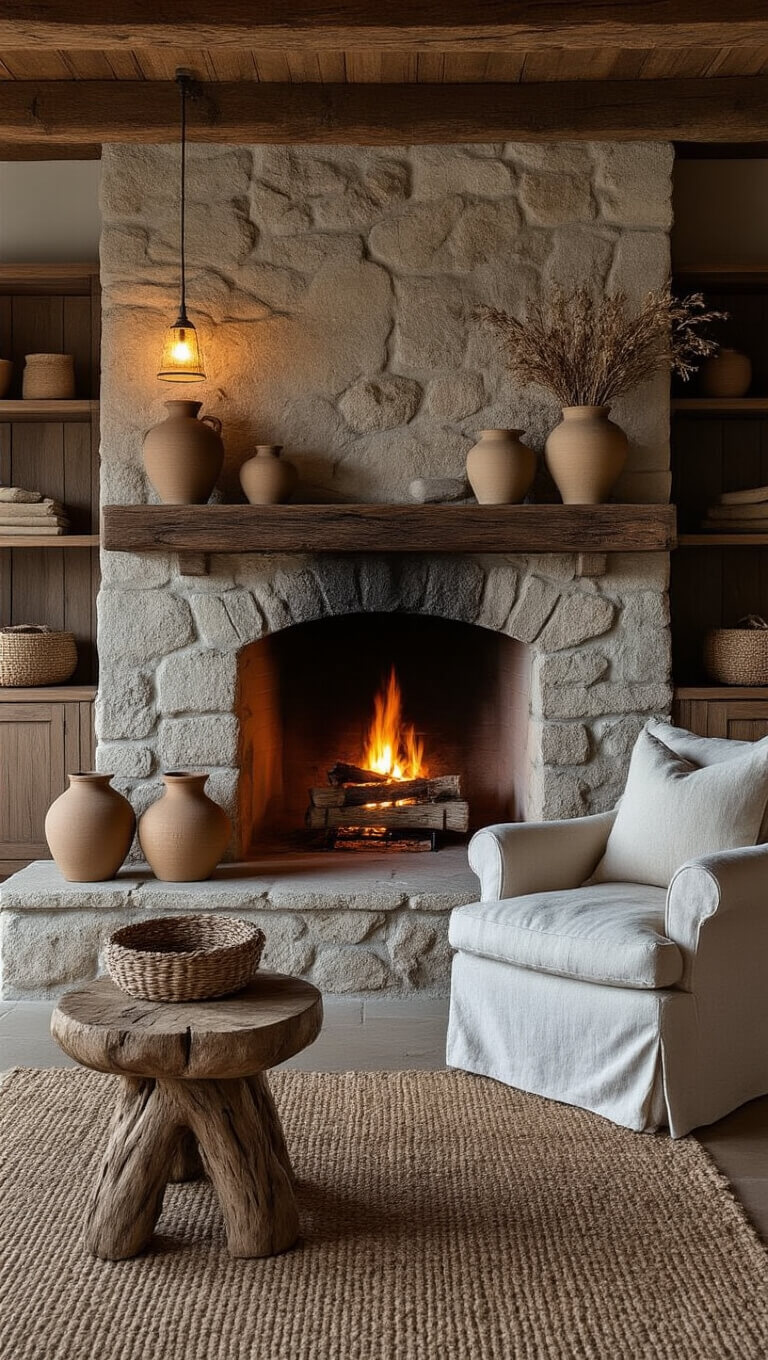
Adding Character Through Imperfection
Here’s where the magic happens:
- Display ceramics with visible flaws
- Incorporate weathered or vintage pieces
- Add foraged natural elements
- Use textiles with subtle variations
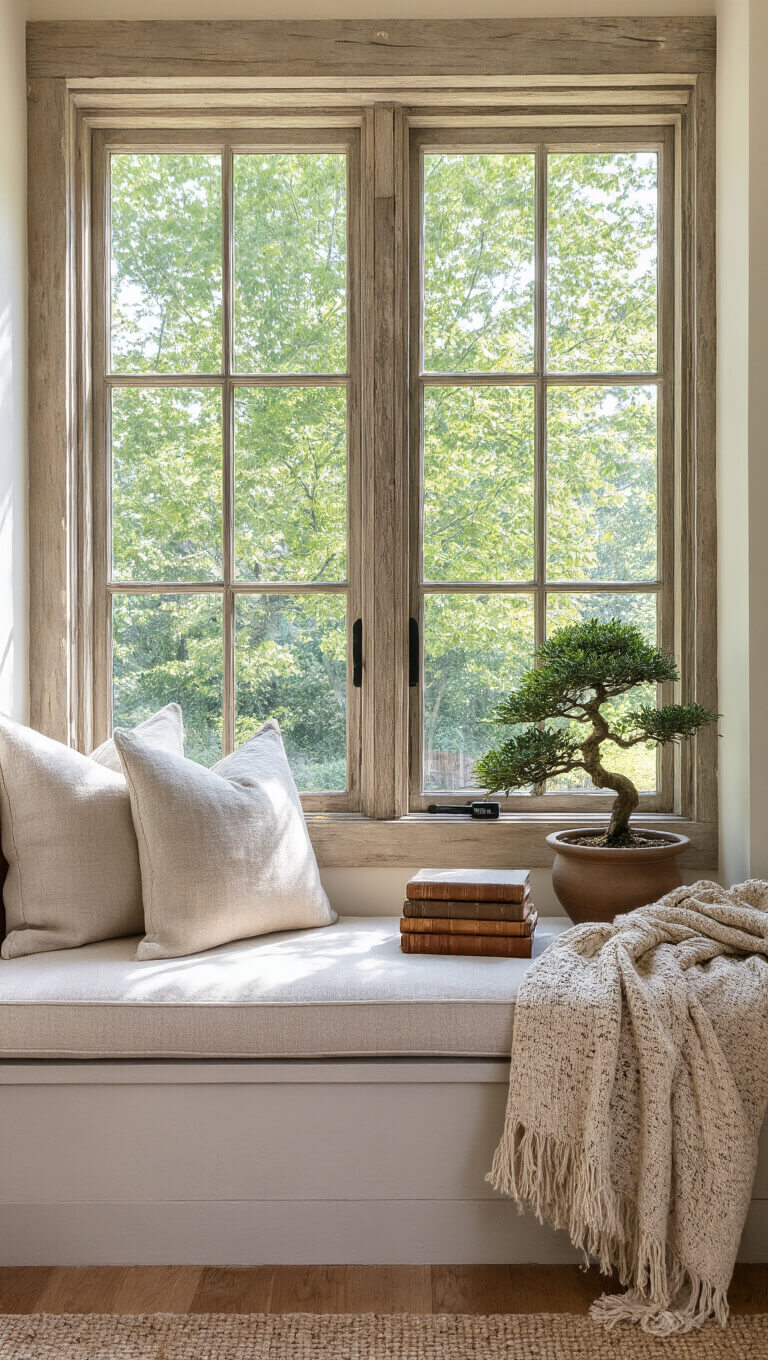
Color Palette Essentials
Keep things earthy and muted:
- Warm beiges
- Soft grays
- Muted greens
- Clay tones
- Natural woods
Styling Tips That Work
I’ve found these approaches consistently successful:
- Group objects in odd numbers
- Mix heights and textures
- Include one statement piece per vignette
- Layer textiles thoughtfully
Common Mistakes to Avoid:
- ❌ Over-accessorizing
- ❌ Using perfect, mass-produced items
- ❌ Choosing bright or bold colors
- ❌ Creating symmetrical arrangements
Seasonal Updates
Keep your space fresh by:
- Switching out natural elements
- Rotating handmade pieces
- Adjusting textile weights with seasons
- Adding foraged branches or dried flowers
Budget-Friendly Tips
You don’t need to break the bank:
- Hunt for vintage ceramics
- DIY some decor elements
- Shop secondhand for unique pieces
- Collect natural objects from walks
Final Thoughts
Remember, wabi sabi is about finding beauty in imperfection.
Let your space evolve naturally and tell your story through carefully chosen pieces that bring calm and character to your home.
Take your time building this look – it’s meant to develop slowly and thoughtfully.
The result? A living room that feels both grounded and elevated, with a timeless appeal that only gets better with age.
Have questions about creating your own wabi sabi space? Drop them in the comments below!