Creating a Wabi-Sabi Living Room: A Guide to Finding Beauty in Imperfection
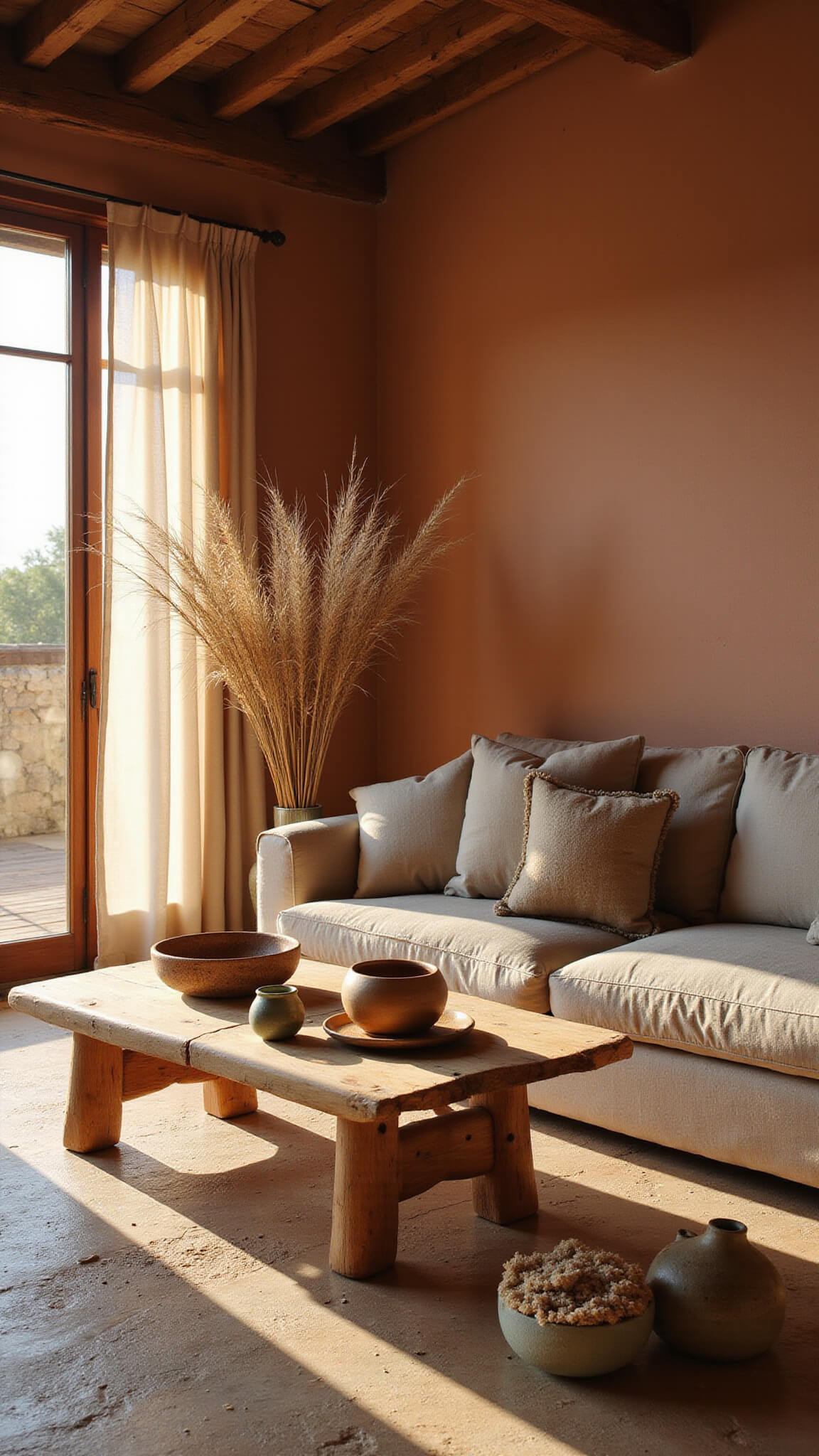
I furnished a client’s living room with a low linen sofa and one rough clay vase, and the room finally felt still. A wabi sabi living room works when the materials are plain and the flaws show, so the space reads as calm instead of styled.
Let’s dive into how you can embrace this beautiful Japanese philosophy in your living room.
What Makes a Room Wabi-Sabi?
Wabi-Sabi isn’t about perfection – it’s quite the opposite.
Think of your favorite coffee mug, slightly chipped but still your go-to for morning brew. That’s Wabi-Sabi in action.
Key Elements:
- Natural materials
- Imperfect finishes
- Weathered textures
- Earthy colors
- Mindful simplicity
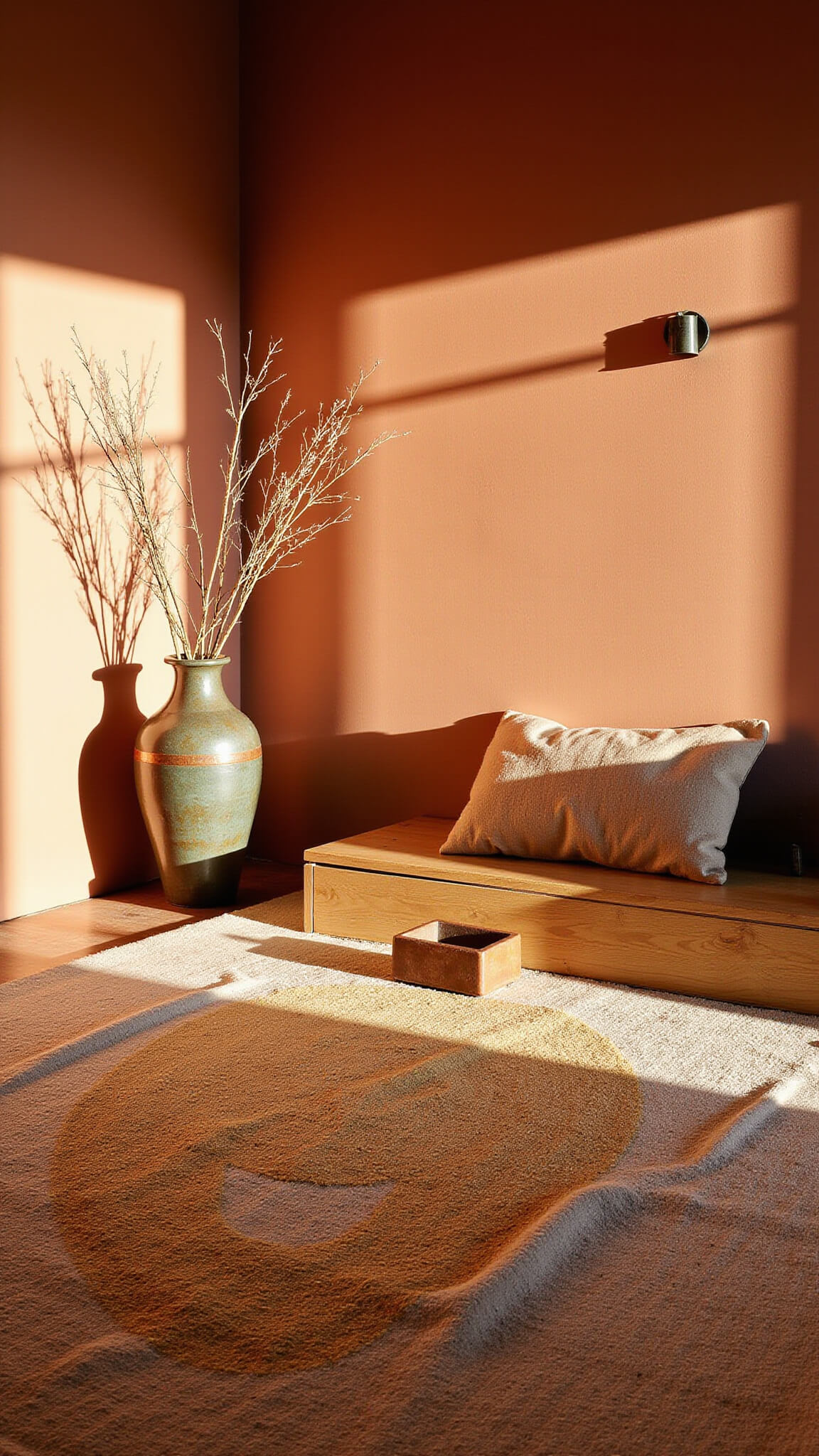
The Color Palette That Works
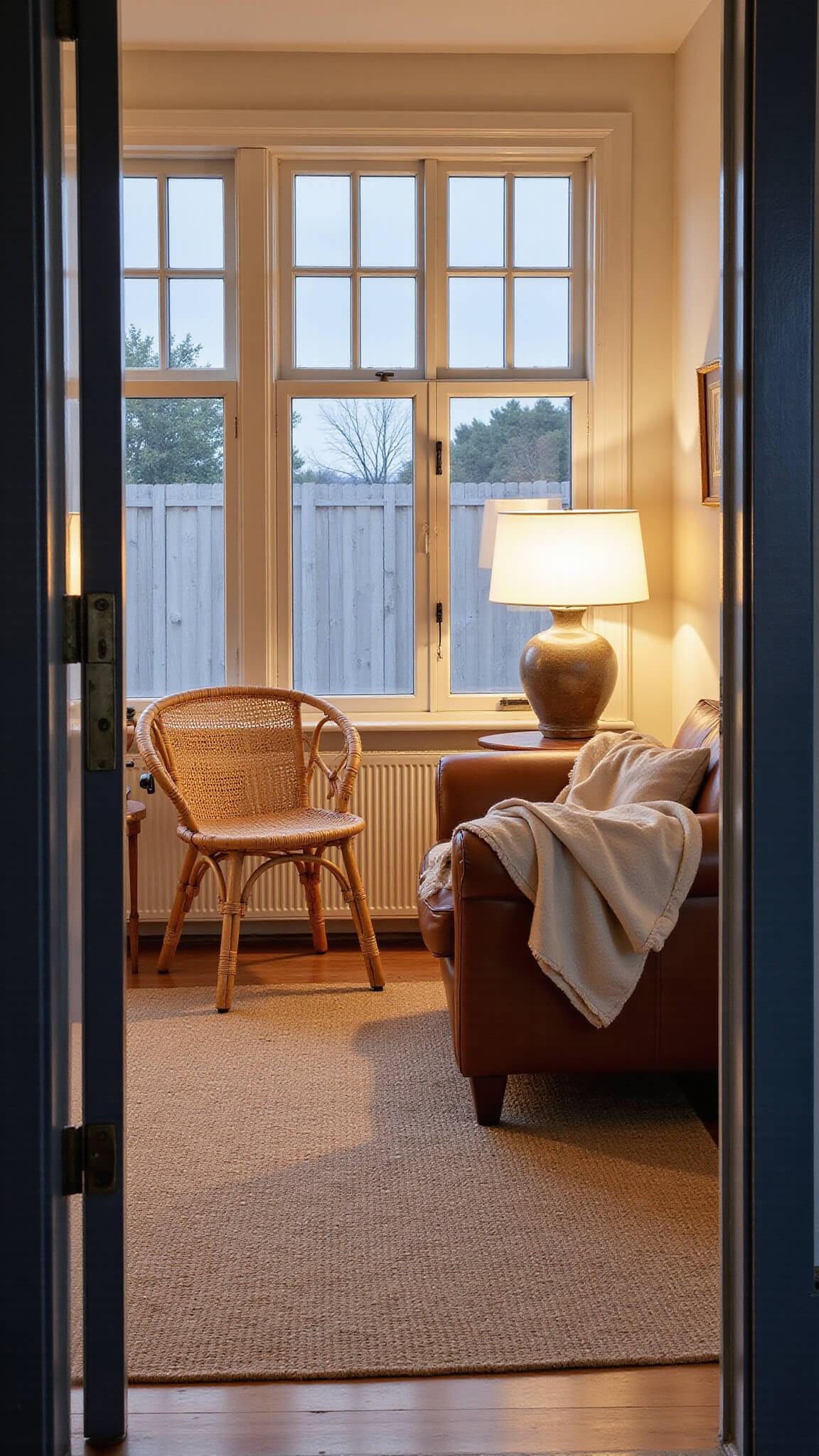
I always start with colors that feel like a warm embrace:
- Soft grays
- Muted browns
- Gentle creams
- Earthy greens
- Weathered whites
Pro Tip: Avoid stark whites or bold colors – they fight against the calming nature of Wabi-Sabi.

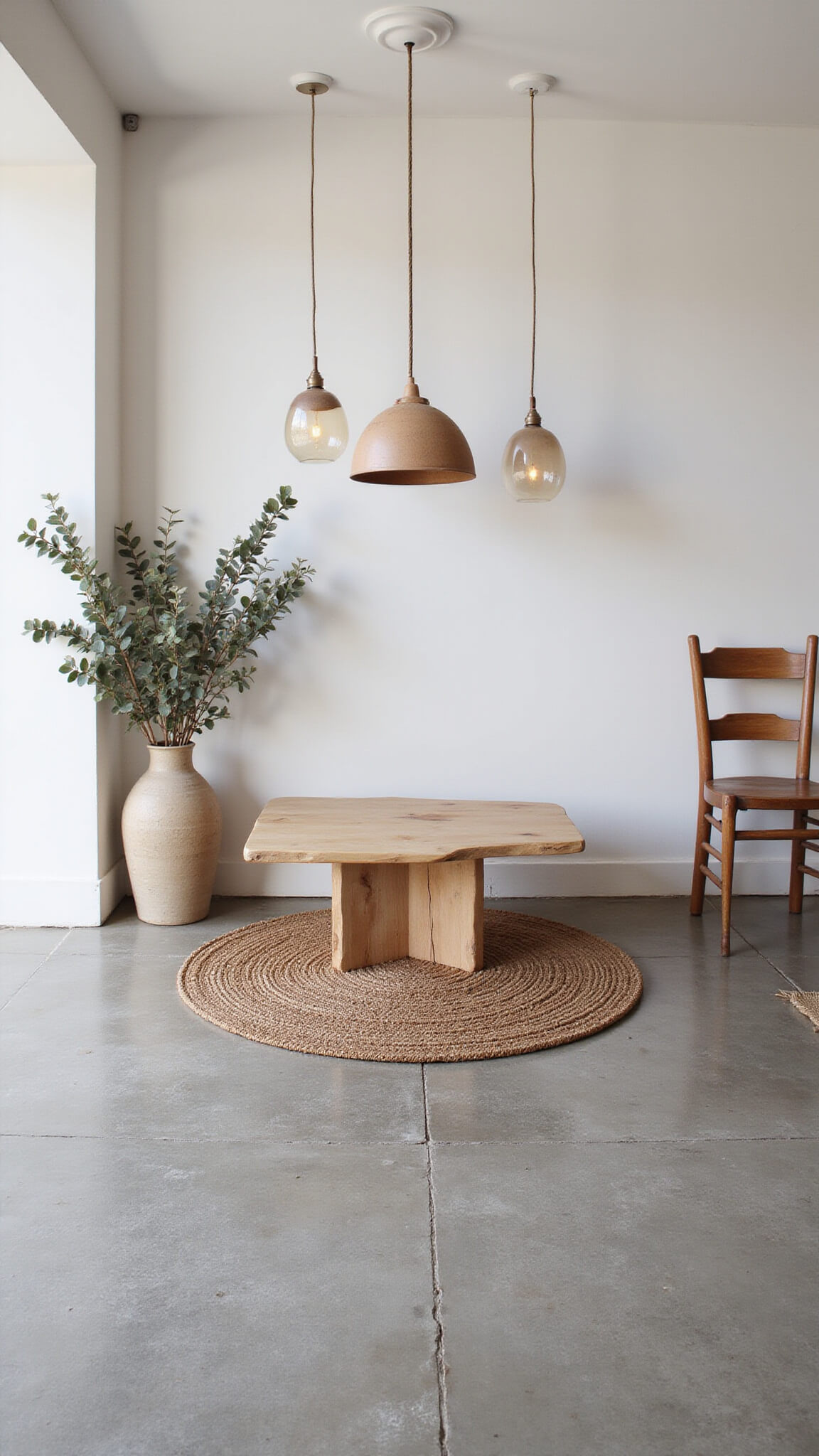
Materials That Tell a Story
In my experience, these materials work beautifully:
- Unfinished wood
- Raw ceramics
- Natural linens
- Handwoven textiles
- Stone elements
Save this article
Enter your email and we'll send it straight to your inbox.
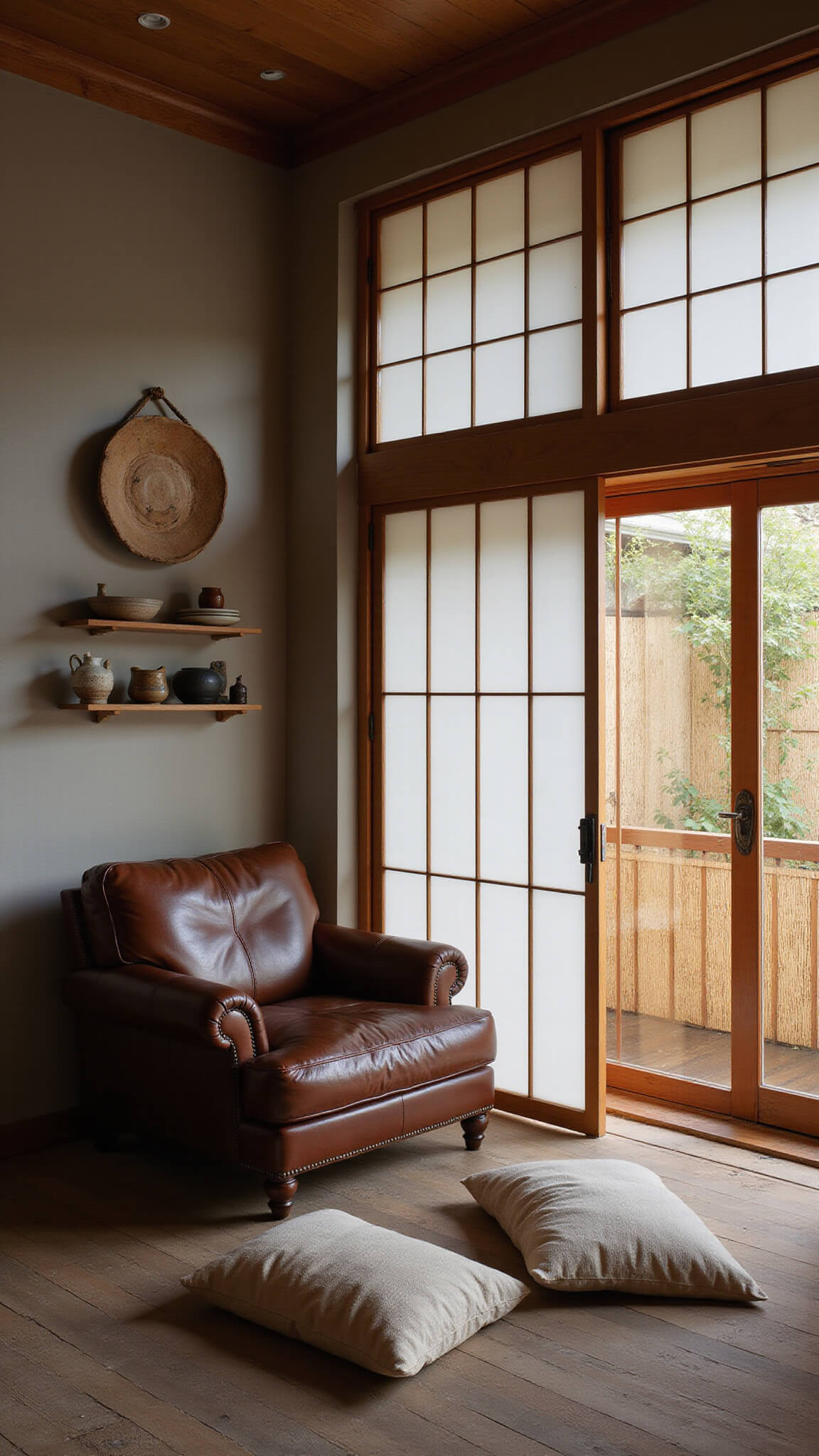
Furniture Selection: Less is More
Choose pieces that:
- Show natural wear
- Have simple lines
- Feel handcrafted
- Serve a purpose
- Embrace imperfection
Creating Your Space: Step by Step
- Clear the Clutter
First, remove anything that doesn’t serve a purpose or bring joy. - Choose Your Foundation
Start with a neutral floor covering – think natural fiber rugs or bare wooden floors. - Add Key Furniture
Select 3-4 main pieces that embody Wabi-Sabi principles. - Layer Textures
Introduce:- Handwoven throws
- Linen cushions
- Ceramic vessels
- Natural fiber baskets
- Bring in Nature
Add:- Dried flowers
- Potted plants
- Driftwood pieces
- Smooth stones
Common Mistakes to Avoid:
- ❌ Over-decorating
- ❌ Using synthetic materials
- ❌ Trying to make everything match
- ❌ Hiding imperfections
- ❌ Adding too many colors
Expert Tips From My Design Practice:
- Let pieces age naturally
- Embrace visible repairs
- Mix old with new
- Keep arrangements asymmetrical
- Focus on quality over quantity
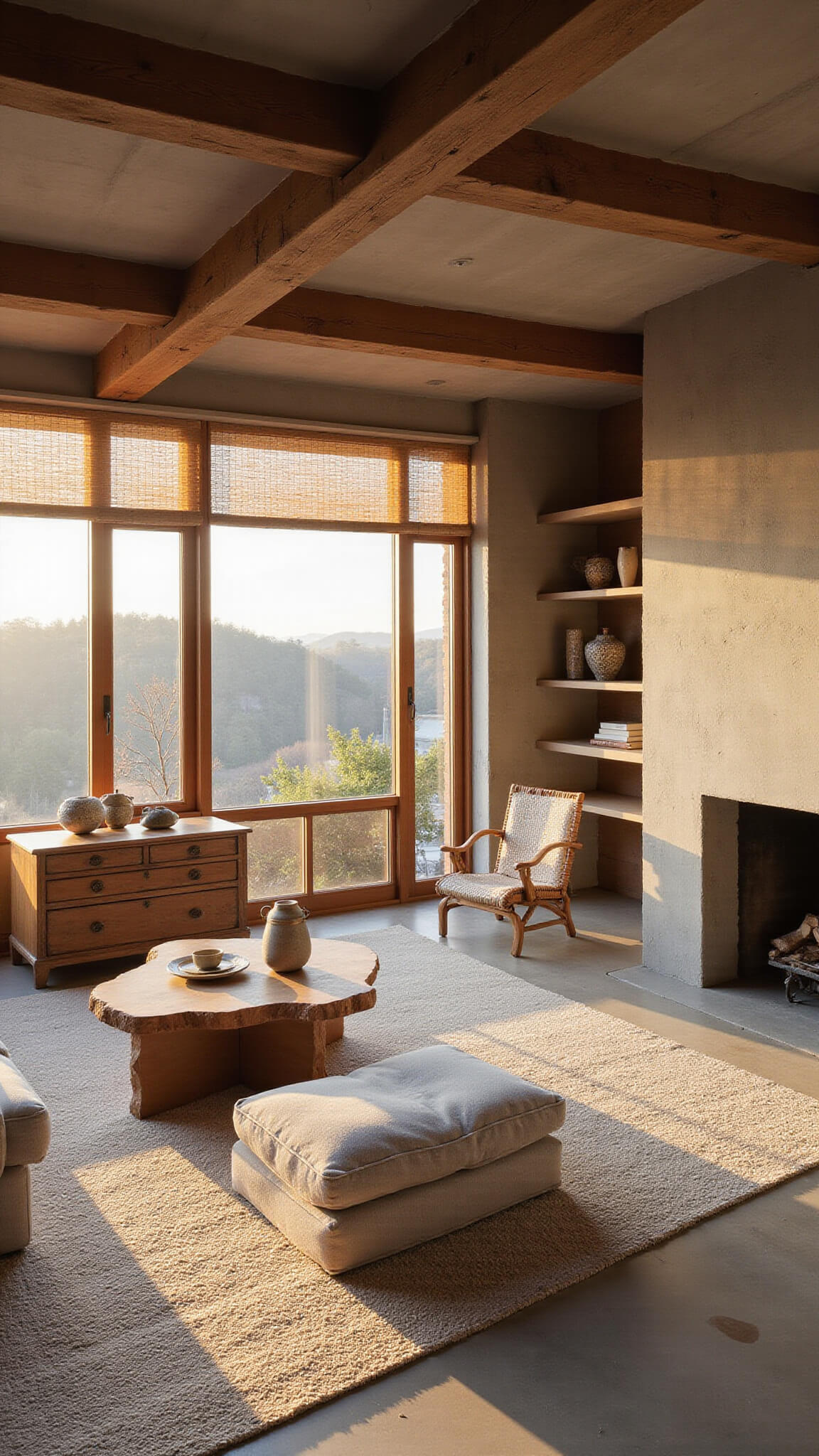
Remember: A Wabi-Sabi living room should feel like it evolved naturally over time, not like it was decorated in a day.
The beauty lies in the journey, not the destination.
Did you find this guide helpful? What aspects of Wabi-Sabi design intrigue you most? Let me know in the comments below!
Keep the objects few and let the one handmade piece lead. A wabi sabi living room feels right when the light is soft and the palette stays close to the earth.
Save this article
We'll email you the link so you can come back to it.