Wabi-Sabi Apartment Decor: A Guide to Creating Beautiful Imperfection
I left a client’s apartment with one cracked clay bowl and bare floors, and the rooms finally felt honest. Wabi sabi apartment ideas work when you accept the worn and the uneven, so the space reads as calm instead of perfect.
The Beauty of Imperfection
Wabi-Sabi isn’t just a design style – it’s a mindset that celebrates the beauty of imperfection and the passing of time.
Think weathered wood, handmade ceramics, and naturally aged materials that tell a story.
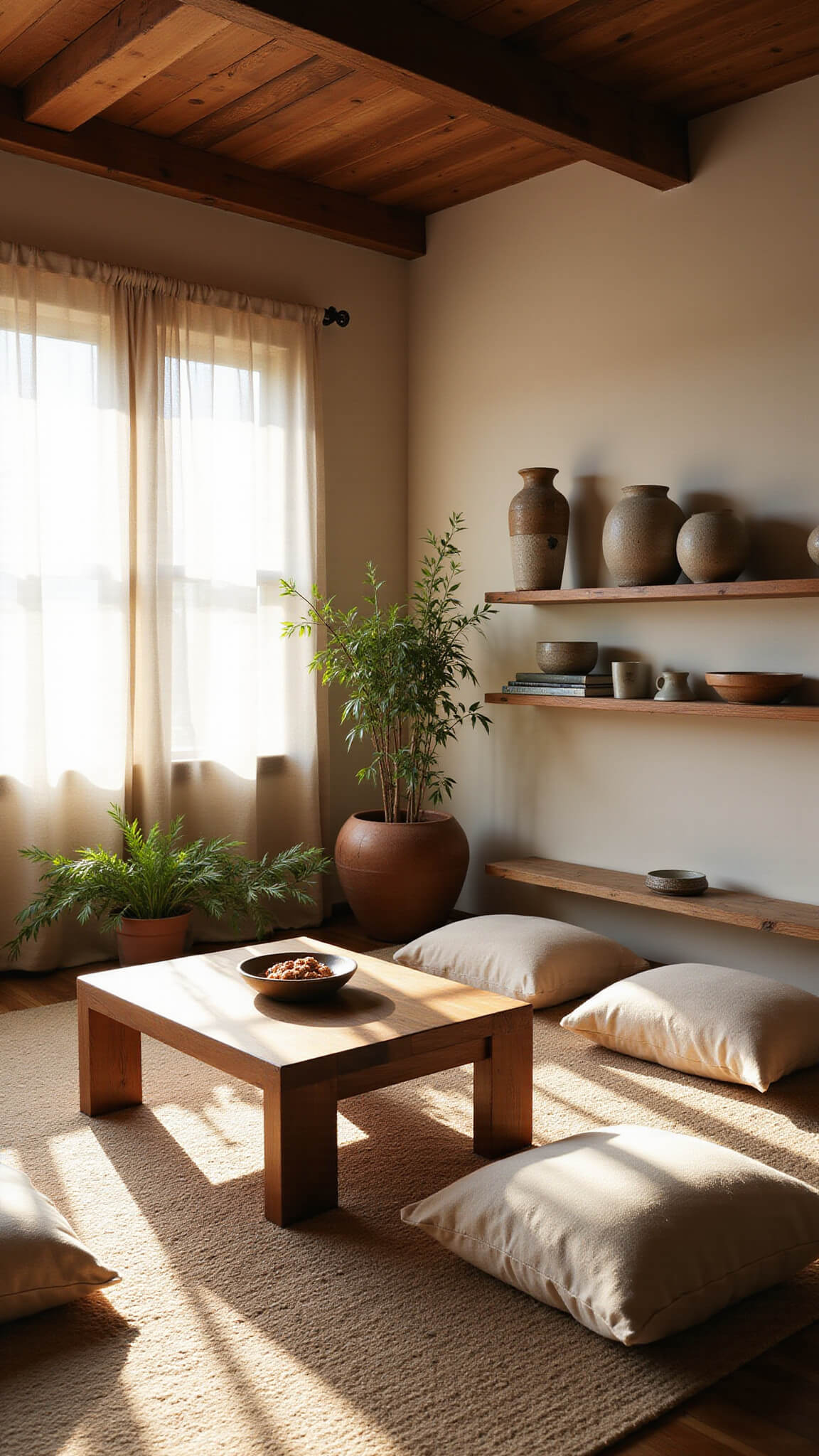
Essential Elements You’ll Need:
- Natural materials (wood, stone, clay)
- Handcrafted items
- Plants and organic elements
- Muted, earthy color palette
- Simple, functional furniture
Budget Breakdown:
Basic Setup ($500-$1000):
- Second-hand wooden furniture
- Essential ceramics
- Basic textiles
- Plants and planters
Premium Setup ($1000-$2000):
- Artisan-made pieces
- Higher-end natural textiles
- Custom furniture
- Statement lighting
Getting Started: The Foundation
1. Clear Your Space
First, remove anything that doesn’t serve a purpose or bring joy. I always tell my clients: “Less is more, but make it meaningful.”
2. Choose Your Base Colors
Stick to:
- Warm browns
- Soft greys
- Muted greens
- Natural beiges
Creating Your Wabi-Sabi Zones
Living Room:
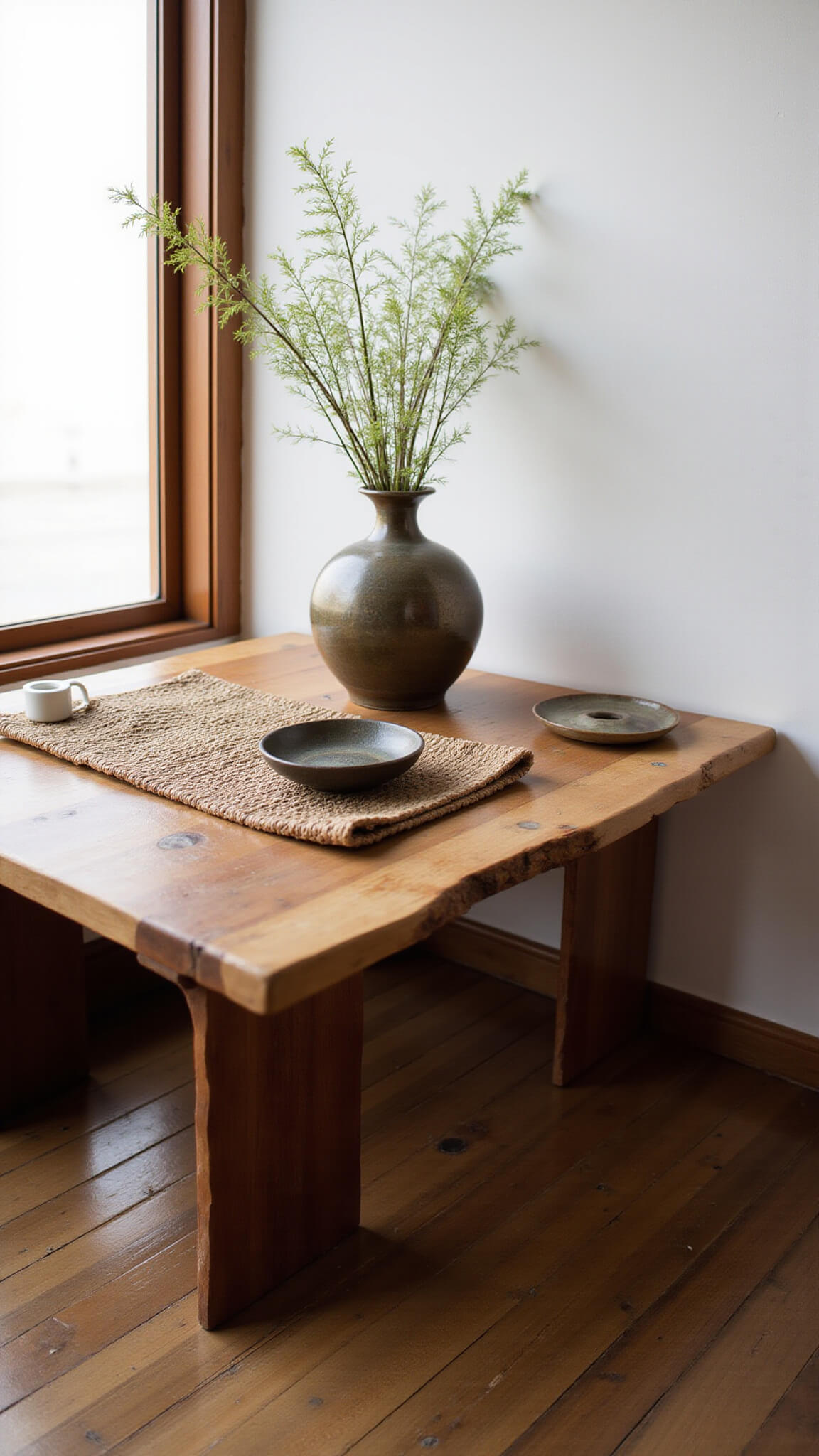
- Add a low-profile wooden coffee table
- Layer natural textile cushions
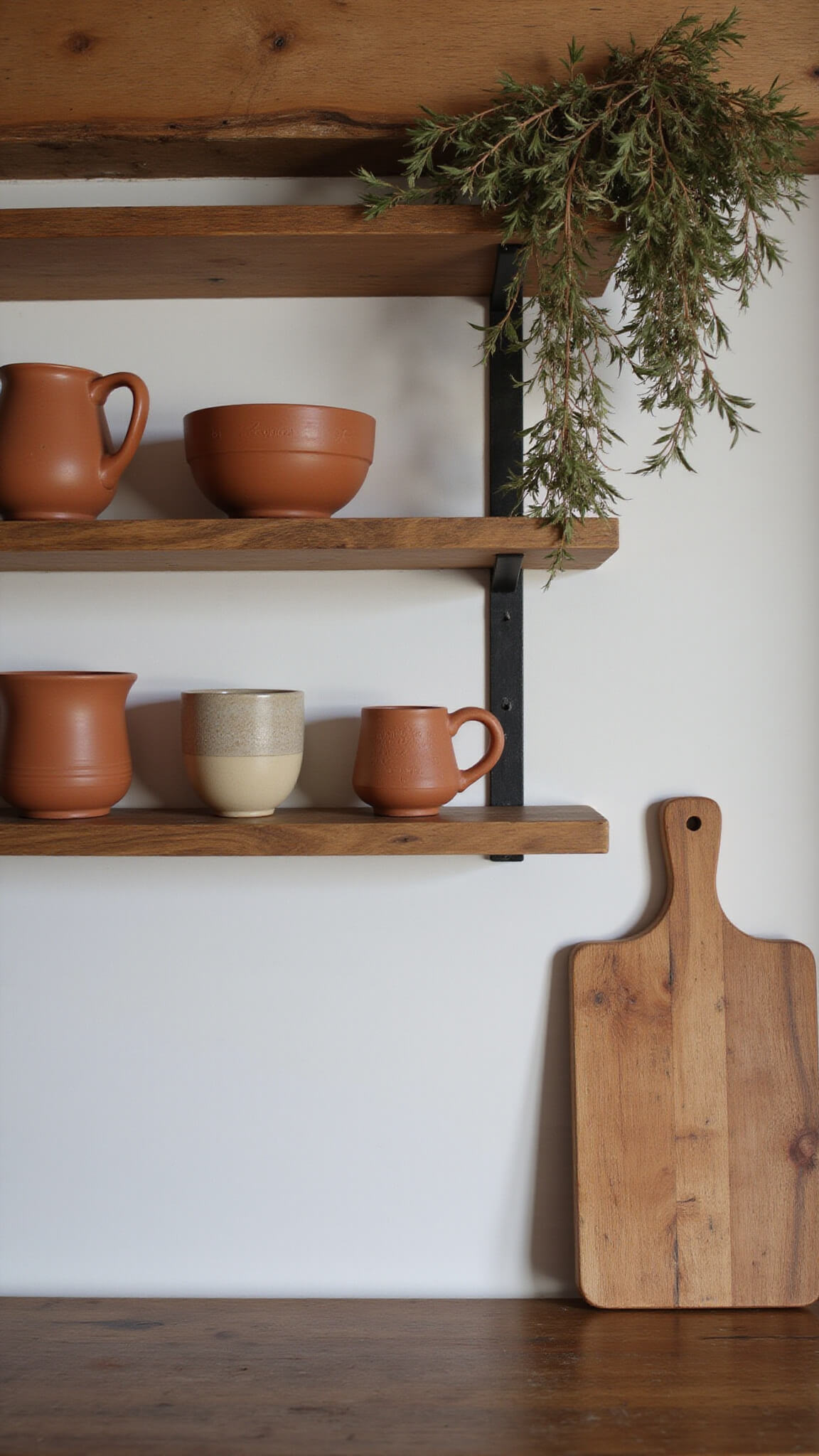
- Include handmade ceramics
- Place potted plants in corners

Save this article
Enter your email and we'll send it straight to your inbox.
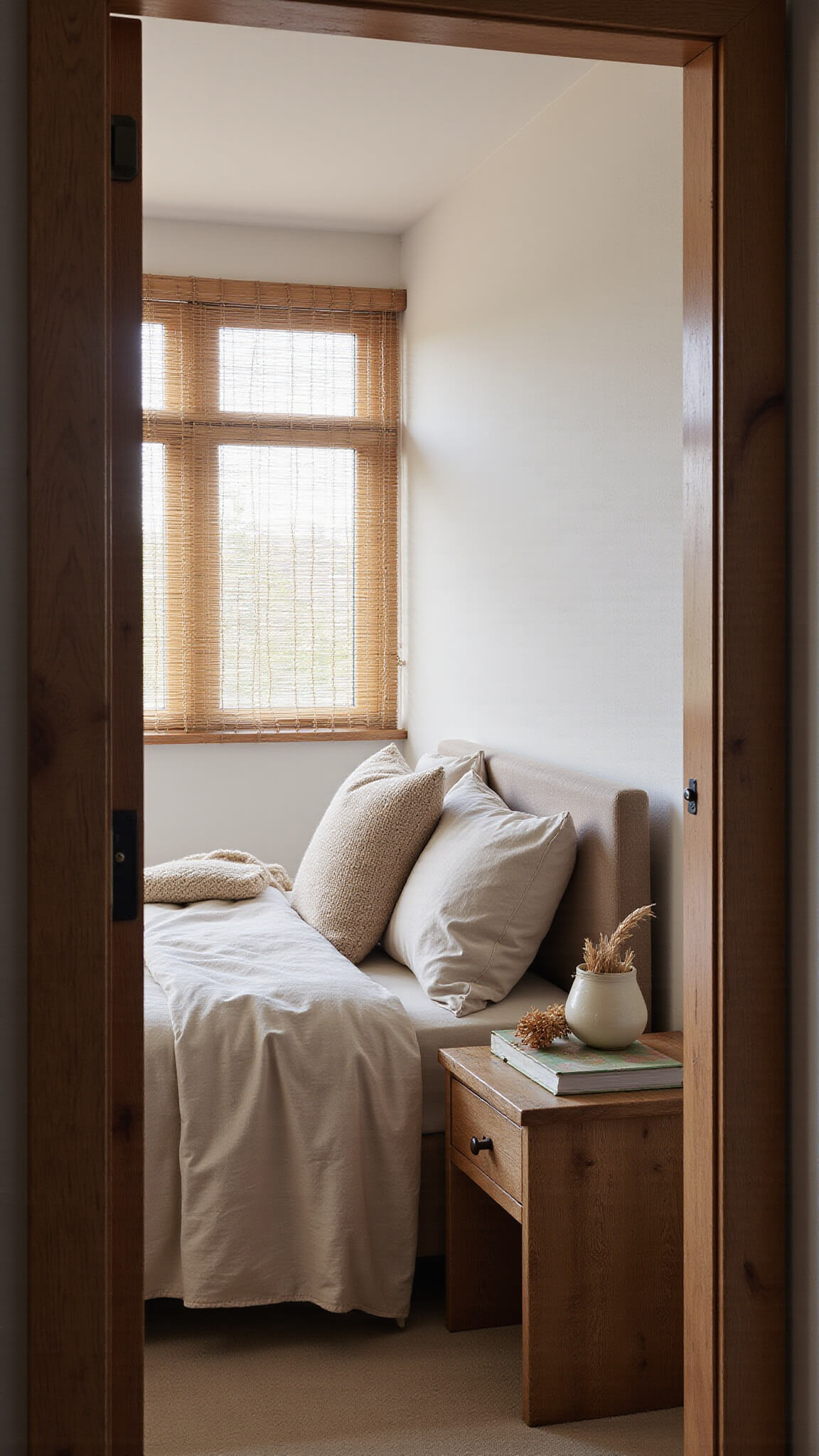
Bedroom:
- Use linen bedding in earth tones
- Install bamboo or wooden blinds
- Add a handwoven rug
- Keep decor minimal but meaningful
DIY Elements That Work
I love helping clients create their own Wabi-Sabi touches:
- Age new wood with tea and vinegar
- Create simple clay vessels
- Press leaves and flowers for wall art
- Repair broken items with visible mending
Styling Tips From My Experience:
- Embrace asymmetry
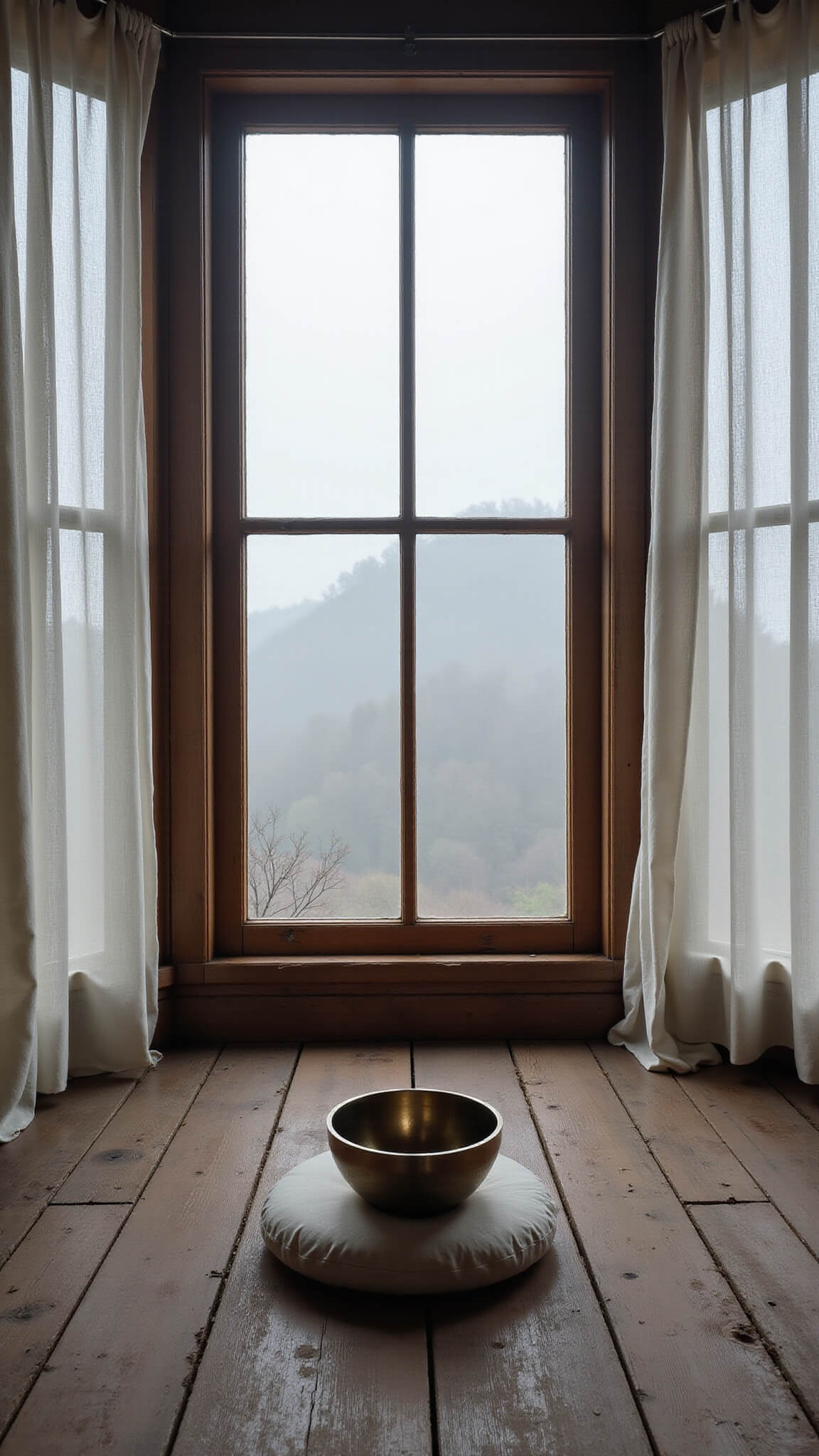
- Leave some spaces empty
- Mix textures, not patterns
- Focus on natural light
- Display items with visible repairs
Common Mistakes to Avoid:
- ❌ Over-decorating
- ❌ Using perfect, mass-produced items
- ❌ Following strict rules
- ❌ Forcing a worn look
- ❌ Making things too precious
Seasonal Updates
Spring:
- Fresh botanicals
- Lighter linens
- Open windows
Summer:
- Natural ventilation
- Light curtains
- Fresh flowers
Fall:
- Warmer textiles
- Dried flowers
- Deeper earth tones
Winter:
- Added layers
- Warm lighting
- Cozy textures
Photography Tips
For those documenting their Wabi-Sabi journey:
- Shoot in natural light
- Focus on textures
- Capture imperfections
- Use minimal editing
- Embrace shadows
Maintenance & Care
Remember:
- Let items age naturally
- Clean with natural products
- Repair rather than replace
- Rotate seasonal elements
- Allow patina to develop
Final Thoughts
Creating a Wabi-Sabi space isn’t about perfection – it’s about creating a home that feels lived-in, loved, and authentically yours.
Start small, be patient, and remember that every crack, wear mark, and imperfection adds to your space’s unique story.
Keep the objects few and let the flaws show. Wabi sabi apartment ideas feel right when the light is soft and the one natural material you choose actually has a history.
Save this article
We'll email you the link so you can come back to it.